Blog Topics
Japan Stem Cell Therapy Guide: Safety, Regulations, and Procedures
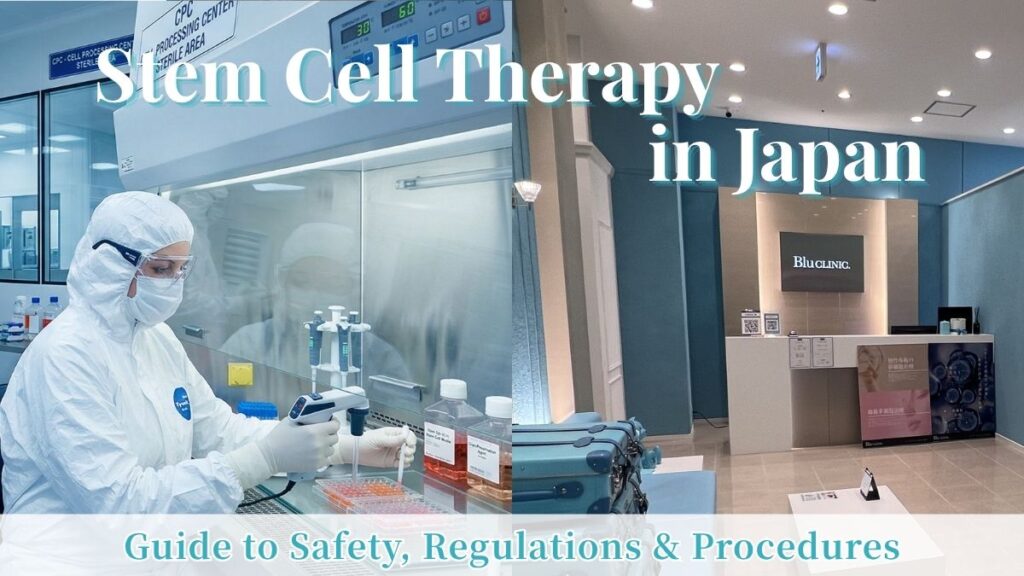
For individuals seeking advanced medical care in Japan, understanding the landscape of stem cell therapy and other cell-based treatments is essential. At Blu CLINIC (Osaka & Tokyo, Japan), we provide autologous (self-derived) cell therapies—specifically Mesenchymal Stem Cells (MSCs) and Fibroblasts—under strict national regulations. This guide outlines the legal framework, medical procedures, costs, and safety standards of regenerative medicine in Japan.
Japan Stem Cell Therapy: Safety Standards and Regulatory Overview
Japan has established a robust, highly regulated environment for regenerative medicine, attracting clients worldwide who prioritize safety and structured medical oversight. At Blu CLINIC, therapies are provided with a strict adherence to these national standards, focusing on overall wellness and dermal health.
The Strict Legal Framework: Act on the Safety of Regenerative Medicine
Cell therapies in Japan are governed by the Act on the Safety of Regenerative Medicine (ASRM). Clinics must file provision plans with the Ministry of Health, Labour and Welfare (MHLW) and undergo rigorous review by certified committees before offering treatments.
Blu CLINIC operates in strict compliance with these regulations. We have officially filed Provision Plans for Class II Regenerative Medicine with the MHLW for both systemic/pain treatments and skin (fibroblast) therapies. Our treatments are fully certified and available at both our Osaka and Ginza (Tokyo) clinics. This ensures that every procedure follows defined protocols for safety and ethical cell handling.
(Provision Plan Numbers)
Osaka Clinic: No. PB5260003 (Systemic/Pain) & No. PB5260002 (Fibroblast)
Ginza Clinic: No. PB3260095 (Systemic/Pain) & No. PB3260093 (Fibroblast)
Autologous Adipose-Derived Mesenchymal Stem Cells (MSCs): Supporting Overall Wellness
Adipose-derived Mesenchymal Stem Cells (MSCs) are multipotent cells collected from a client’s own abdominal fat. MSC therapy is clinically designed to support the body’s internal environment through immunomodulatory mechanisms and the secretion of various cellular factors.
Instead of targeting a single symptom, MSCs are intended to help support systemic wellness and modulate inflammatory responses. By utilizing autologous cells, the treatment avoids the immune rejection risks associated with donor cells.
Fibroblast Therapy: A Targeted Approach to Dermal Health
Fibroblast therapy focuses specifically on the skin’s dermal layer. Fibroblasts are the cells responsible for producing structural proteins like collagen and elastin. By collecting a small amount of tissue via a minor incision behind the ear, culturing the fibroblasts, and carefully transplanting them into the dermal layer of areas where concern persists, this therapy is designed to support skin thickness and structural integrity.
Cell Culturing Standards: The Role of Certified Processing Centers (CPC)
The quality of cell therapy heavily depends on how the cells are cultivated. In Japan, the ASRM mandates that cell processing must occur in facilities that meet strict hygienic and operational standards.
At Blu CLINIC, all collected tissue samples are sent to an affiliated domestic Cell Processing Center (CPC). This facility carries out cell cultivation and processing to produce the cells necessary for your treatment, in accordance with standards set under Japan’s Act on the Safety of Regenerative Medicine.
How Much Does Stem Cell Therapy Cost in Japan?
In Japan, the cost of stem cell therapy varies significantly depending on the treatment details and the medical institution. At Blu CLINIC, our pricing for both stem cell and fibroblast treatments is clearly structured based on the targeted area and the required cell volume. Please note that all such treatments are provided on a self-funded basis and are not covered by Japanese public health insurance.
Cost Structure (Tax Included)
| Treatment Plan | MSC Therapy (Systemic/Pain) | Fibroblast (Full Face) | Fibroblast (Full Face + Neck) |
| Light | ¥6,050,000 | ¥1,650,000 | ¥2,420,000 |
| Standard | ¥7,920,000 | ¥2,420,000 | ¥3,630,000 |
| Premium | ¥9,900,000 | ¥2,970,000 | ¥4,840,000 |
Additional administration (MSC Therapy): ¥1,650,000 (tax included) per session
Potential Risks and Side Effects of Cell Therapies
Every medical procedure carries potential risks. While autologous therapies use the client’s own cells, side effects can still occur at the collection or injection sites.
Potential side effects include temporary pain, swelling, redness, and bruising. In the case of MSC administration, transient fever or allergic reactions may occur. Rare complications include infection or breathing difficulties. A thorough medical consultation with our physician will evaluate your physical condition to ensure the appropriateness of the procedure.
The Client’s Journey: Premium Care and Support at Blu CLINIC

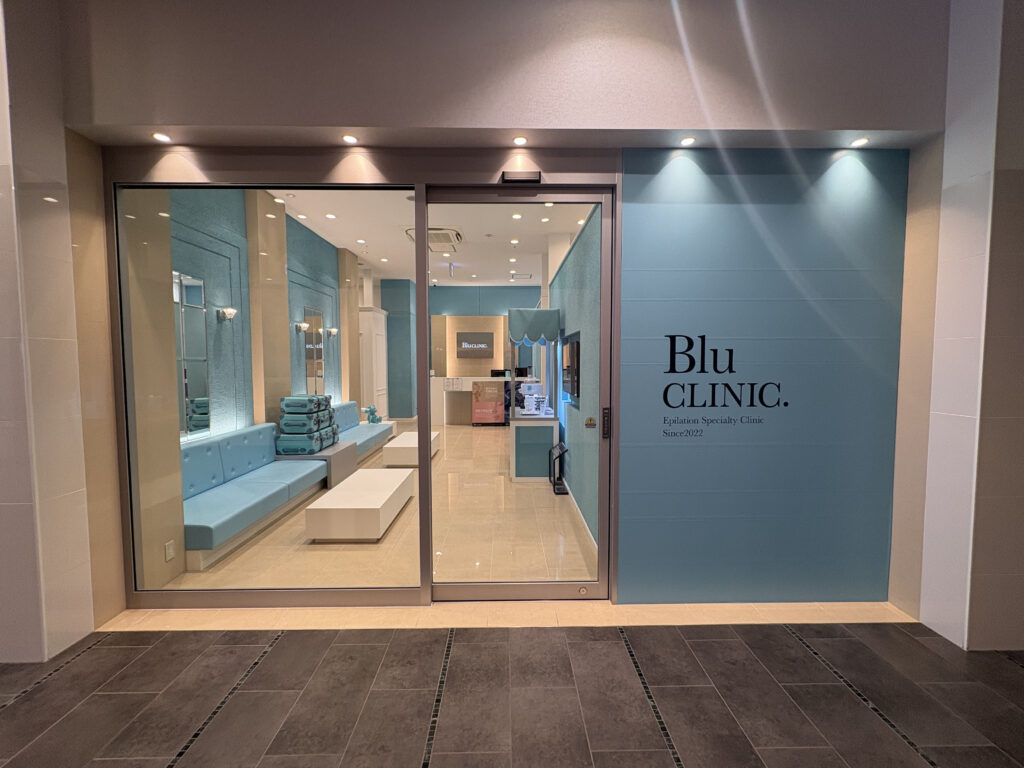
With conveniently located clinics in both Osaka (a 3-minute walk from Osaka-Umeda Station) and Tokyo (walking distance from Higashi-Ginza / Ginza Stations), Blu CLINIC ensures a seamless, highly private experience for international clients.
Our support system includes complimentary transportation from Kansai International Airport (KIX) and professional medical interpreter services to ensure clear communication of all medical nuances. We focus on providing meticulous care throughout your journey, from the initial consultation to post-treatment follow-ups.
Quick FAQ Section
Yes. Cell therapies are legal when conducted in strict accordance with the Act on the Safety of Regenerative Medicine (ASRM). Medical institutions must file detailed provision plans with the MHLW to legally provide these treatments.
At Blu CLINIC, MSC therapy ranges from ¥6,050,000 to ¥9,900,000, while Fibroblast therapy ranges from ¥1,650,000 to ¥4,840,000. These are private-pay treatments not covered by insurance.
Cultured cells do not function indefinitely. The duration of their physiological support varies significantly depending on individual factors such as age, metabolism, and lifestyle habits. Periodic evaluations are recommended.
Risks include pain, redness, swelling, and bruising at injection or extraction sites. Though autologous cells are used, there are rare risks of transient fever, allergic reactions, or infection that must be discussed during consultation.
Contact & Support
Feel free to message us to see if our cell therapy is right for you.
Autologous Adipose-Derived Stem Cell Therapy (MSC Therapy)
[Treatment Details] A treatment where stem cells derived from a small amount of adipose tissue and blood collected from the patient’s abdomen are cultured at an affiliated domestic cell processing facility (CPC), then administered via IV drip or injection.
[Standard Treatment Period & Sessions] Cell culturing takes approximately 3–4 weeks, and administration consists of 3 sessions in total per course.
[Standard Cost] ¥6,050,000 – ¥9,900,000 per course (Tax included) / Private-pay (Not covered by public health insurance). (*Additional administration: ¥1,650,000 per session.)
*Note: Counseling is free of charge, and required preliminary blood testing upon arrival as well as medical interpreter services are included in the treatment package at no extra cost.
[Risks & Side Effects] Pain, swelling, redness, and bruising at the collection or injection sites, transient fever, allergic reactions, and in rare cases, infection or breathing difficulties.
[Notes on Unapproved Products]
(i) This treatment uses regenerative medicine products that have not received approval under Japan’s Pharmaceuticals and Medical Devices (PMD) Act.
(ii) The cells used in this treatment are cultured and processed at an affiliated domestic cell processing facility (CPC) under the physician’s medical judgment, in accordance with Japan’s Act on the Safety of Regenerative Medicine. No personal importation of drugs is involved.
(iii) There are no other domestically approved drugs or medical devices with the same composition or performance.
(iv) Information regarding safety in foreign countries: This treatment has not been widely approved in major Western countries. There is a possibility that severe risks or side effects have not yet been fully identified.
(v) In the unlikely event of a severe side effect, this treatment is not covered by Japan’s Relief System for Sufferers from Adverse Drug Reactions or the Relief System for Infections from Biological Products.
Fibroblast Therapy
[Treatment Details] A treatment where fibroblasts extracted from skin tissue collected from behind the patient’s ear are cultured at a specialized cell processing facility (CPC), then transplanted directly into the dermal layer of areas where wrinkles and sagging are a concern.
[Standard Treatment Period & Sessions] Cell culturing takes approximately 3–5 weeks, and administration consists of 2 to 4 sessions in total, typically every 2 weeks.
[Standard Cost] ¥1,650,000 – ¥4,840,000 per course (Tax included) / Private-pay (Not covered by public health insurance).
*Note: Counseling is free of charge, and required preliminary blood testing upon arrival as well as medical interpreter services are included in the treatment package at no extra cost.
[Risks & Side Effects] Pain, swelling, redness, and bruising at the collection or injection sites, temporary unevenness, and in rare cases, infection.
[Notes on Unapproved Products]
(i) This treatment uses regenerative medicine products that have not received approval under Japan’s Pharmaceuticals and Medical Devices (PMD) Act.
(ii) The cells used in this treatment are cultured and processed at an affiliated domestic cell processing facility (CPC) under the physician’s medical judgment, in accordance with Japan’s Act on the Safety of Regenerative Medicine. No personal importation of drugs is involved.
(iii) There are no other domestically approved drugs or medical devices with the same composition or performance.
(iv) Information regarding safety in foreign countries: This treatment has not been widely approved in major Western countries. There is a possibility that severe risks or side effects have not yet been fully identified.
(v) In the unlikely event of a severe side effect, this treatment is not covered by Japan’s Relief System for Sufferers from Adverse Drug Reactions or the Relief System for Infections from Biological Products.
For more details on costs and treatment options,
please join our local information session.