Blog Topics
How Long Does Stem Cell Therapy Last? Timeline, Efficacy, and Realistic Expectations
Clients frequently ask, “How long does stem cell therapy last?” They also want to know when the effects of regenerative medicine may fade and what factors can influence how long the effects may last.This guide explores the longevity of stem cell treatments, outlines primary therapeutic methods, and explains the basics of cell therapies in Japan. Under the clinical philosophy of Dr. Saori Shimada at Blu CLINIC (Osaka & Ginza, Tokyo), we view cell-level care not as a temporary overlay, but as a structural foundation for long-term well-being. This approach requires transparency regarding what autologous cells can and cannot do. Operating under strict legal frameworks, our clinic provides treatments formally notified to the Ministry of Health, Labour and Welfare (MHLW) under Japan’s Act on the Safety of Regenerative Medicine (ASRM). Specifically, our protocols include Provision Plan Numbers for dermal applications (Osaka Clinic: No. PB5260002 / Ginza Clinic: No. PB3260093) and for systemic care (Osaka Clinic: No. PB5260003 / Ginza Clinic: No. PB3260095).
Understanding the Biological Timeline of Autologous Stem Cells
A gradual biological shift. Never an overnight change.
There is no fixed duration for the effects of stem cell therapy. The longevity of treatment effects varies depending on the type of cells used, the treatment protocol, and individual factors such as age and lifestyle. At Blu CLINIC, the expected timeline and maintenance approach differ between autologous MSC therapy and fibroblast therapy based on the characteristics of each treatment.
When your own cells are cultured and reintroduced into your body, they do not immediately alter your physiological state. They require time to integrate and begin supporting cellular maintenance. The initial physiological response usually unfolds over several weeks. During this period, the cells are intended to support tissue environments and promote natural reparative functions.
Some clients notice subtle differences in overall vitality within a few months. Others may require longer observation periods. The longevity of these effects relies heavily on the environment the cells enter—your own body. Once integrated, the supporting mechanisms can persist for a certain period of time, though the exact duration remains highly individualized.
Key Factors Influencing the Longevity of Treatment Outcomes
Your age at the time of cell extraction dictates baseline cellular activity. Younger cells generally exhibit higher proliferative capacity. Still, chronological age is only one variable among many.
Lifestyle choices directly impact how long the biological support lasts. Chronic stress, poor nutritional habits, smoking, and excessive alcohol consumption create inflammatory environments that may compromise the longevity of the administered cells. To be precise, regenerative medicine is not a standalone shield against poor health habits. It works synergistically with your daily routine.
The source of the cells also defines their specific utility and lifespan in the body. Mesenchymal Stem Cells (MSCs) are isolated from abdominal fat tissue and are typically utilized for systemic support. Conversely, fibroblasts are extracted from the skin behind the ear, uniquely equipped to support the dermal layer structure.
Autologous MSCs vs. Dermal Fibroblasts: Comparing Duration and Mechanisms
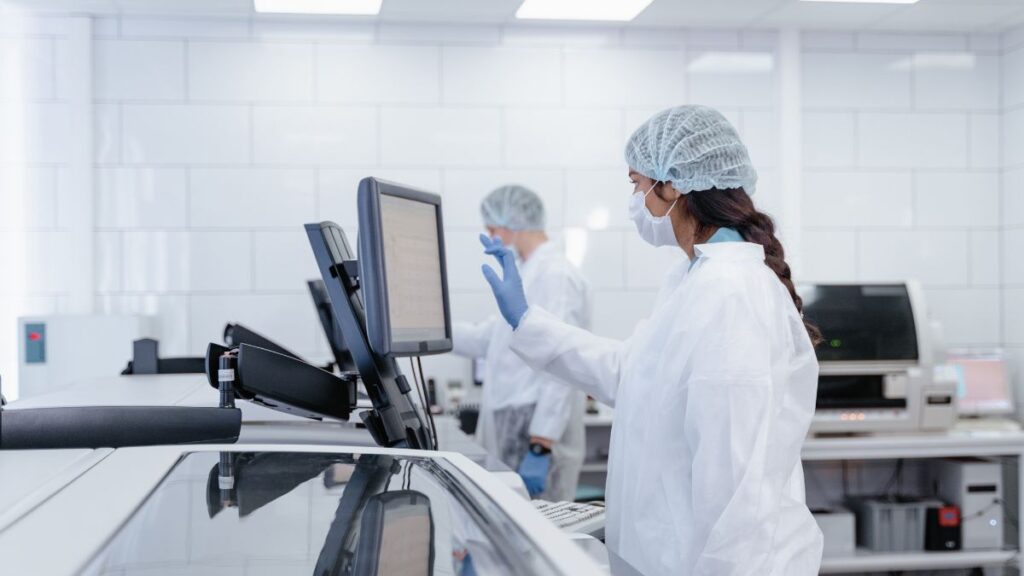
Different clinical goals require distinct cellular approaches. The table below outlines how these two primary treatments function and differ in their operational timelines.
| Treatment Type | Cell Source | Primary Application | Administration Protocol |
| Autologous MSC Therapy | Client’s abdominal fat | Systemic support, overall wellness | 3 sessions initially via IV drip |
| Fibroblast Therapy | Skin behind the client’s ear | Localized dermal support, targeted skin texture | 2 to 4 localized injection sessions |
Autologous MSCs are administered intravenously with the aim of supporting systemic wellness, circulating through the bloodstream. Fibroblasts remain localized to the specific injection sites in the dermal layer, working exclusively to support structural proteins like collagen and elastin in those precise areas.
Recommended Treatment Schedules and Re-administration Intervals
Cellular support diminishes naturally as the body continues its inevitable aging process.
For MSC therapy, an initial protocol usually involves 3 sessions. After the primary course is completed, some clients opt for a single maintenance session every one to two years to sustain the biological support. This schedule is highly dependent on individual health assessments.
Fibroblast therapy typically requires an initial series of 2 to 4 targeted injections spaced a few weeks apart. Because the cells are introduced directly into the dermal layer, the structural support they provide can be long-lasting. Yet, environmental factors like UV exposure will continually impact skin quality, making periodic maintenance consultations advisable.
What to Expect Post-Procedure: Recovery, Activity Restrictions, and Care
Calculated rest. Essential for optimal integration.
Regenerative treatments involve needles and medical procedures, meaning recovery is required. Following MSC intravenous administration, you might experience transient fever, fatigue, or mild discomfort at the IV site. Fibroblast injections involve multiple punctures in the targeted areas, leading to localized swelling, redness, and bruising . There is no such thing as a risk-free medical procedure.
Vigorous exercise, prolonged bathing, and alcohol consumption must be avoided immediately following treatment to minimize swelling and prevent complications. The body needs a quiet, undisturbed period to adjust to the cellular introduction.
Safety, Regulatory Oversight, and Legal Standards in Japan
Japan maintains a stringent legal environment for regenerative medicine. The treatments provided at Blu CLINIC are not imported or off-the-shelf products. We utilize cells cultured in specialized domestic cell processing facilities (CPC) adhering to the strict guidelines of the ASRM.
It is necessary to clarify that these treatments use regenerative medicine products that have not received approval under Japan’s PMD Act. They are provided under the physician’s medical judgment based on accepted notifications to the MHLW. Information regarding long-term safety is continuously being studied, and these specific protocols have not been widely approved in major Western countries.
Treatment Investment and Comprehensive Care at Blu CLINIC

Transparent structuring. High-level clinical care.
Financial expectations are straightforward. MSC therapy courses range from ¥6,050,000 for the Light plan up to ¥9,900,000 for the Premium plan, with additional administration available at ¥1,650,000 per session. Fibroblast therapy for the full face begins at ¥1,650,000, scaling to ¥4,840,000 for full face and neck comprehensive care. All fees include tax and are strictly private-pay.
International clients receive comprehensive logistical support to ensure a calm, focused treatment environment at our Osaka and Tokyo locations. We arrange complimentary transfers from Kansai International Airport (KIX), and professional medical interpretation is integrated into the treatment package at no extra cost, guaranteeing absolute clarity between you and our medical staff.
Frequently Asked Questions
Biological duration varies significantly based on individual age, lifestyle, and the specific cell protocol administered. Because autologous MSCs and fibroblasts integrate with native tissue rather than acting as temporary synthetic fillers, cellular support develops gradually and can persist for months to several years. To sustain optimal biological wellness, many clients choose to schedule periodic maintenance sessions every 1 to 2 years.
An initial protocol is established based on your specific health baseline, often consisting of 3 sessions for MSCs or 2 to 4 sessions for fibroblasts. Following this, clients often schedule single maintenance sessions annually or biennially, depending on their individual response and lifestyle factors.
Side effects are an inherent part of medical interventions. Clients may experience pain, swelling, redness, and bruising at collection or injection sites. MSC therapy may induce temporary fever or allergic reactions. Severe, rare risks such as infection are possible and must be considered.
For the first 24 to 48 hours, clients must avoid intense cardiovascular workouts, hot springs, and alcohol. These activities increase blood flow rapidly, which can exacerbate swelling and bruising at the injection sites.
No. All regenerative therapies at Blu CLINIC are entirely private-pay (out-of-pocket). They are not covered by Japanese public health insurance, nor are they typically covered by international private health insurance policies, as they are elective procedures.
Consultation and Personalized Support
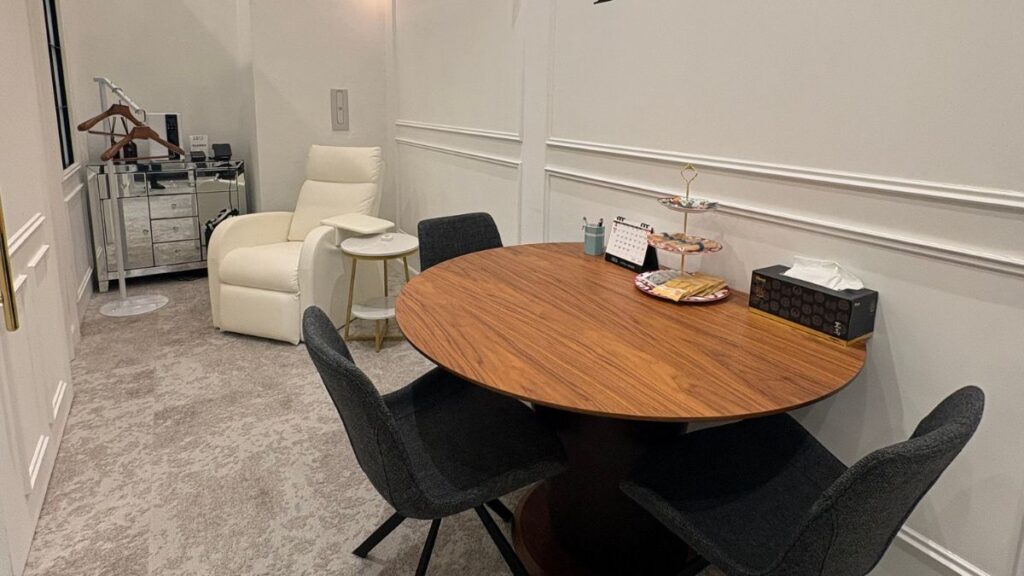
Decisions regarding cellular care demand detailed clinical discussions. Our team is prepared to review your medical history and determine if autologous cell administration aligns with your health objectives.
Autologous Adipose-Derived Stem Cell Therapy (MSC Therapy)
[Treatment Details] A treatment where stem cells derived from a small amount of adipose tissue and blood collected from the patient’s abdomen are cultured at an affiliated domestic cell processing facility (CPC), then administered via IV drip or injection.
[Standard Treatment Period & Sessions] Cell culturing takes approximately 3–4 weeks, and administration consists of 3 sessions in total per course.
[Standard Cost] ¥6,050,000 – ¥9,900,000 per course (Tax included) / Private-pay (Not covered by public health insurance). (*Additional administration: ¥1,650,000 per session.)
*Note: Counseling is free of charge, and required preliminary blood testing upon arrival as well as medical interpreter services are included in the treatment package at no extra cost.
[Risks & Side Effects] Pain, swelling, redness, and bruising at the collection or injection sites, transient fever, allergic reactions, and in rare cases, infection or breathing difficulties.
[Notes on Unapproved Products]
(i) This treatment uses regenerative medicine products that have not received approval under Japan’s Pharmaceuticals and Medical Devices (PMD) Act.
(ii) The cells used in this treatment are cultured and processed at an affiliated domestic cell processing facility (CPC) under the physician’s medical judgment, in accordance with Japan’s Act on the Safety of Regenerative Medicine. No personal importation of drugs is involved.
(iii) There are no other domestically approved drugs or medical devices with the same composition or performance.
(iv) Information regarding safety in foreign countries: This treatment has not been widely approved in major Western countries. There is a possibility that severe risks or side effects have not yet been fully identified.
(v) In the unlikely event of a severe side effect, this treatment is not covered by Japan’s Relief System for Sufferers from Adverse Drug Reactions or the Relief System for Infections from Biological Products.
Fibroblast Therapy
[Treatment Details] A treatment where fibroblasts extracted from skin tissue collected from behind the patient’s ear are cultured at a specialized cell processing facility (CPC), then transplanted directly into the dermal layer of areas where wrinkles and sagging are a concern.
[Standard Treatment Period & Sessions] Cell culturing takes approximately 3–5 weeks, and administration consists of 2 to 4 sessions in total, typically every 2 weeks.
[Standard Cost] ¥1,650,000 – ¥4,840,000 per course (Tax included) / Private-pay (Not covered by public health insurance).
*Note: Counseling is free of charge, and required preliminary blood testing upon arrival as well as medical interpreter services are included in the treatment package at no extra cost.
[Risks & Side Effects] Pain, swelling, redness, and bruising at the collection or injection sites, temporary unevenness, and in rare cases, infection.
[Notes on Unapproved Products]
(i) This treatment uses regenerative medicine products that have not received approval under Japan’s Pharmaceuticals and Medical Devices (PMD) Act.
(ii) The cells used in this treatment are cultured and processed at an affiliated domestic cell processing facility (CPC) under the physician’s medical judgment, in accordance with Japan’s Act on the Safety of Regenerative Medicine. No personal importation of drugs is involved.
(iii) There are no other domestically approved drugs or medical devices with the same composition or performance.
(iv) Information regarding safety in foreign countries: This treatment has not been widely approved in major Western countries. There is a possibility that severe risks or side effects have not yet been fully identified.
(v) In the unlikely event of a severe side effect, this treatment is not covered by Japan’s Relief System for Sufferers from Adverse Drug Reactions or the Relief System for Infections from Biological Products.
For more details on costs and treatment options,
please join our local information session.