Blog Topics
Stem Cell Questions to Ask Before Therapy: An Evidence-Based Guide for International Clients
Stem cell questions are an important part of choosing a stem cell therapy provider in Japan. Patients should ask about the treatment’s regulatory status, cell source, processing methods, expected outcomes, risks, treatment timeline, and total cost. Navigating cellular medicine requires clear, verifiable information rather than relying solely on marketing claims. At Blu CLINIC (Osaka & Ginza, Tokyo), under Dr. Saori Shimada’s clinical direction, we prioritize transparency across all autologous procedures. This guide outlines the essential questions patients should consider regarding MHLW notifications, cell processing standards, costs, and post-treatment recovery.
What Are the Key Stem Cell Questions to Ask Before Treatment?
No simple miracles. Just documented medical processes and realistic expectations.
Before choosing a stem cell therapy provider, patients should be prepared to ask about the treatment’s legal status, cell source, processing methods, expected outcomes, risks, treatment timeline, and total cost.
Clients often arrive with high expectations shaped by online media. In truth, regenerative medicine is a highly regulated biological process, not a guaranteed aesthetic fix. Understanding what a clinic actually provides—from cell processing standards to realistic biological outcomes—can help patients make informed decisions based on clear medical information rather than relying solely on marketing claims.
Is the Clinic Legally Authorized for Regenerative Medicine in Japan?
Before committing to any procedure, clients must verify the legal and medical standing of the facility.
Is the clinic formally recognized by the national health authority? In Japan, legitimate regenerative treatments must be filed under the Act on the Safety of Regenerative Medicine (ASRM). Blu CLINIC operates as a Class II Regenerative Medicine provider under MHLW notification. Our specific protocols are rigorously documented, including (Provision Plan Numbers) Osaka Clinic: No. PB5260003 (Systemic/Pain) & No. PB5260002 (Fibroblast) / Ginza Clinic: No. PB3260095 (Systemic/Pain) & No. PB3260093 (Fibroblast).
Strict compliance. No shortcuts.
Ask about the cell processing facility (CPC). Where are your cells cultured? We rely exclusively on specialized domestic laboratories to manage cell expansion, ensuring that the biological material remains in a controlled environment until the day of administration.
What Types of Stem Cell Therapies Are Available in Japan?
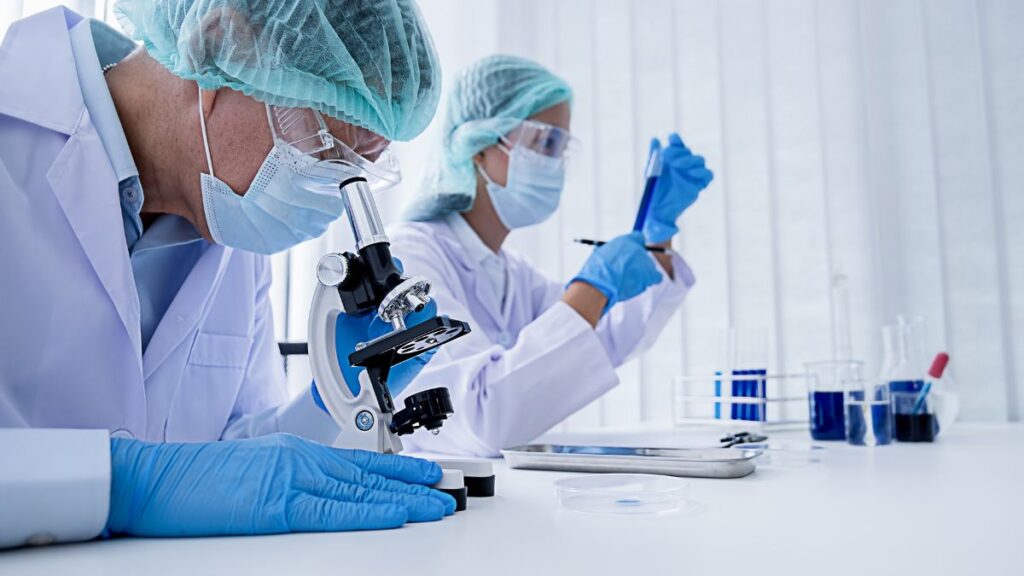
Different physical concerns require distinct cellular approaches.
At Blu CLINIC, we provide both autologous adipose-derived mesenchymal stem cell (MSC) therapy and fibroblast therapy. Each treatment uses a different type of autologous cell and is designed for different medical and aesthetic concerns. These cell types have different biological characteristics and functions. MSCs are harvested from a small amount of abdominal fat, while fibroblasts are extracted from the skin behind the ear.
| Therapy Classification | Source Tissue | Primary Administration Method |
| MSC Therapy | Abdominal adipose tissue | IV Drip |
| Fibroblast Therapy | Skin behind the ear | Direct dermal injection |
Each cellular type serves a distinct purpose. Selecting the appropriate therapy based on a clear understanding of these differences is essential for developing a safe and tailored treatment plan.
What Medical Conditions and Concerns Can Stem Cells Address?
What problems do these therapies actually address? MSCs may help support the body’s natural repair mechanisms, often considered for clients dealing with age-related physical decline or joint discomfort. Fibroblasts are intended to support the structural integrity of the skin where signs of aging are a concern.
They do not reverse time. They support cellular function.
Clients must understand that results vary significantly based on individual age, lifestyle, and baseline health. A thorough consultation helps establish appropriate expectations rather than impossible ideals.
What Is the Step-by-Step Treatment Process and Timeline?
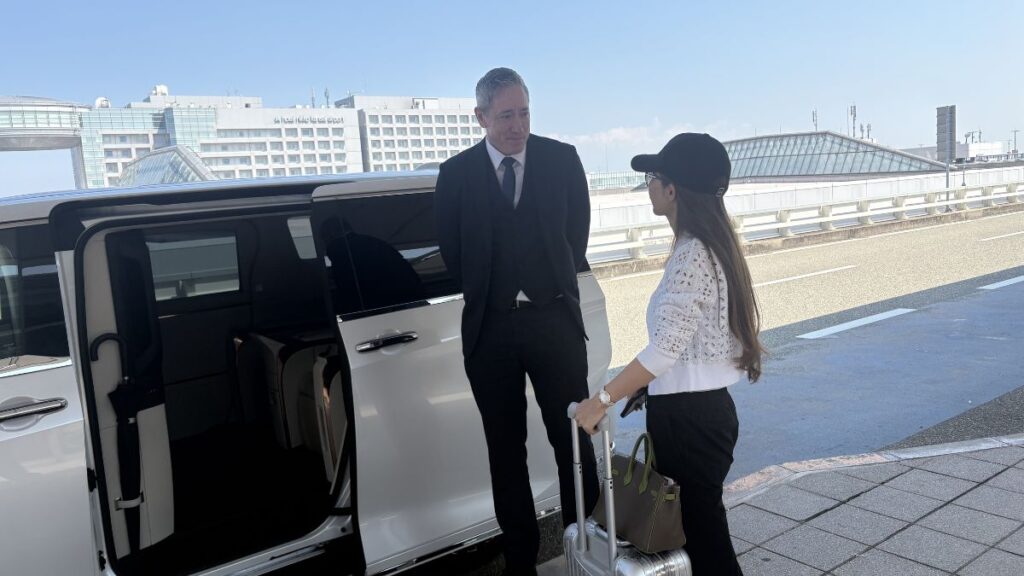
The procedure is not a single-day event. It demands time and biological processing.
Following required preliminary blood testing conducted directly on-site at Blu CLINIC upon arrival in Japan, tissue collection takes place at our facility with convenient locations in Osaka (a 3-minute walk from Osaka-Umeda Station) and Tokyo (walking distance from Higashi-Ginza / Ginza Stations). The culturing phase requires patience. MSCs typically take 3 to 4 weeks to culture, whereas fibroblasts require 3 to 5 weeks (clients may flexibly return home during this period).
Once ready, the cells are administered under careful medical supervision. To support our international clients through this clinical sequence, we arrange complimentary transportation from KIX, and professional medical interpretation is included in the treatment package at no extra cost to ensure clear communication during every consultation.
How Much Does Stem Cell Therapy Cost and What Services Are Included?
Medical transparency extends to financial planning. Private-pay regenerative medicine involves substantial investment, and all costs should be outlined before tissue collection.
| Treatment Plan | Scope / Type | Cost (Tax Included) |
| Fibroblast Light | Full Face | ¥1,650,000 |
| Full Face + Neck | ¥2,420,000 | |
| Fibroblast Standard | Full Face | ¥2,420,000 |
| Full Face + Neck | ¥3,630,000 | |
| Fibroblast Premium | Full Face | ¥2,970,000 |
| Full Face + Neck | ¥4,840,000 | |
| MSC Light | Systemic / IV | ¥6,050,000 |
| MSC Standard | Systemic / IV | ¥7,920,000 |
| MSC Premium | Systemic / IV | ¥9,900,000 |
Note: Additional MSC administration is available at ¥1,650,000 per session. Professional medical interpretation is included at no extra cost.
What Risks, Downtime, and Side Effects Should You Expect?
Preparation dictates the smoothness of the procedure. Clients are advised to maintain a stable health profile and avoid excessive physical strain prior to tissue collection.
Post-procedure reality. No medical procedure is risk-free.
Following administration, clients may experience mild pain, localized swelling, redness, or bruising at the injection or collection sites. Transient fever can also occur. We provide specific post-care protocols to monitor these expected reactions and ensure proper healing.
Frequently Asked Questions About Stem Cell Therapy
Always inquire about the clinic’s MHLW notification status, the specific origin of the cells being used (fat vs. skin), and the documented risks associated with the procedure. Clarity on exactly what happens in the event of an adverse reaction is essential.
Yes, clients remain awake. Local anesthesia is used during tissue collection to manage discomfort. During the final administration via IV drip or injection, clients typically feel only the standard pinch of a needle, though localized soreness may follow.
Cellular therapy is highly individualized. While some clients report sustained physical support over several months to a year, biological responses depend heavily on the client’s existing cellular health and lifestyle factors. It is a biological process, not a permanent mechanical fix.
In most cases, basic mobility is unaffected. Clients can generally walk out of the clinic and resume light daily activities. We recommend taking it easy and avoiding strenuous activities for a certain period following the treatment.
Personal Medical Consultations and Concierge Support at Blu CLINIC
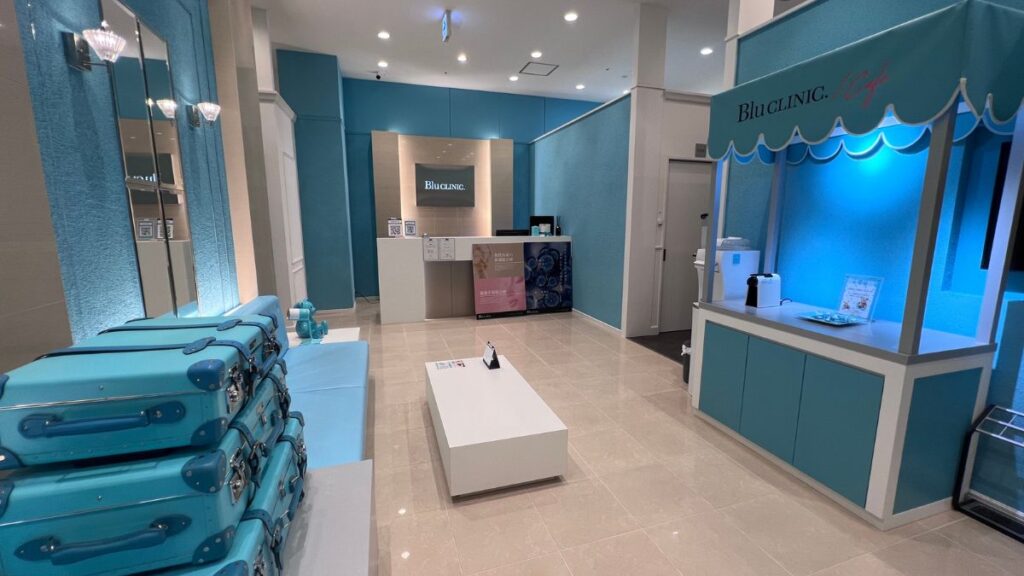
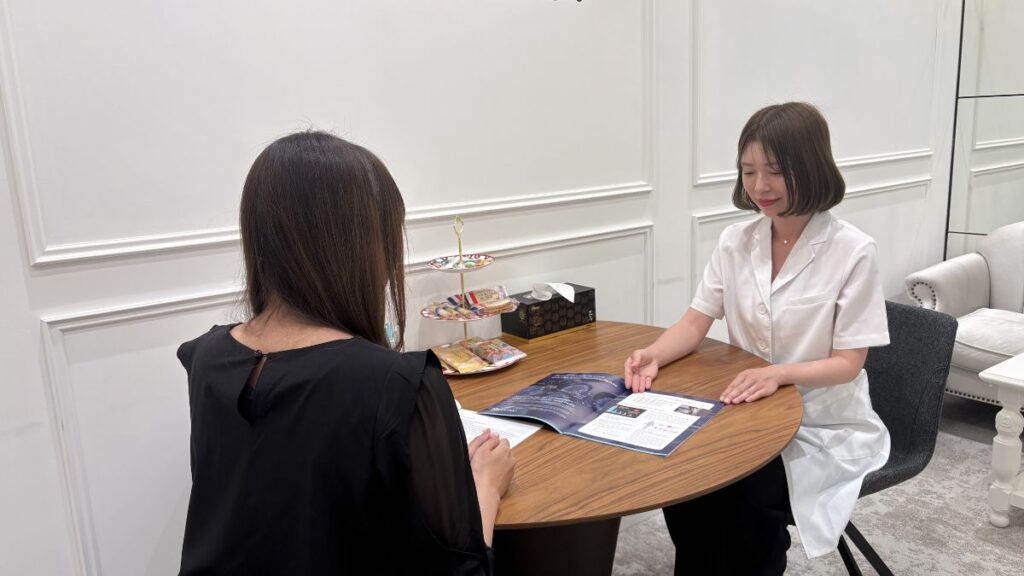
Informed decisions require direct dialogue with medical professionals. For our international guests, we provide structured, private consultations to review medical backgrounds and determine if cellular therapy aligns with your physical health goals.
Autologous Adipose-Derived Stem Cell Therapy (MSC Therapy)
[Treatment Details] A treatment where stem cells derived from a small amount of adipose tissue and blood collected from the patient’s abdomen are cultured at an affiliated domestic cell processing facility (CPC), then administered via IV drip or injection.
[Standard Treatment Period & Sessions] Cell culturing takes approximately 3–4 weeks, and administration consists of 3 sessions in total per course.
[Standard Cost] ¥6,050,000 – ¥9,900,000 per course (Tax included) / Private-pay (Not covered by public health insurance). (*Additional administration: ¥1,650,000 per session.)
*Note: Counseling is free of charge, and required preliminary blood testing upon arrival as well as medical interpreter services are included in the treatment package at no extra cost.
[Risks & Side Effects] Pain, swelling, redness, and bruising at the collection or injection sites, transient fever, allergic reactions, and in rare cases, infection or breathing difficulties.
[Notes on Unapproved Products]
(i) This treatment uses regenerative medicine products that have not received approval under Japan’s Pharmaceuticals and Medical Devices (PMD) Act.
(ii) The cells used in this treatment are cultured and processed at an affiliated domestic cell processing facility (CPC) under the physician’s medical judgment, in accordance with Japan’s Act on the Safety of Regenerative Medicine. No personal importation of drugs is involved.
(iii) There are no other domestically approved drugs or medical devices with the same composition or performance.
(iv) Information regarding safety in foreign countries: This treatment has not been widely approved in major Western countries. There is a possibility that severe risks or side effects have not yet been fully identified.
(v) In the unlikely event of a severe side effect, this treatment is not covered by Japan’s Relief System for Sufferers from Adverse Drug Reactions or the Relief System for Infections from Biological Products.
Fibroblast Therapy
[Treatment Details] A treatment where fibroblasts extracted from skin tissue collected from behind the patient’s ear are cultured at a specialized cell processing facility (CPC), then transplanted directly into the dermal layer of areas where wrinkles and sagging are a concern.
[Standard Treatment Period & Sessions] Cell culturing takes approximately 3–5 weeks, and administration consists of 2 to 4 sessions in total, typically every 2 weeks.
[Standard Cost] ¥1,650,000 – ¥4,840,000 per course (Tax included) / Private-pay (Not covered by public health insurance).
*Note: Counseling is free of charge, and required preliminary blood testing upon arrival as well as medical interpreter services are included in the treatment package at no extra cost.
[Risks & Side Effects] Pain, swelling, redness, and bruising at the collection or injection sites, temporary unevenness, and in rare cases, infection.
[Notes on Unapproved Products]
(i) This treatment uses regenerative medicine products that have not received approval under Japan’s Pharmaceuticals and Medical Devices (PMD) Act.
(ii) The cells used in this treatment are cultured and processed at an affiliated domestic cell processing facility (CPC) under the physician’s medical judgment, in accordance with Japan’s Act on the Safety of Regenerative Medicine. No personal importation of drugs is involved.
(iii) There are no other domestically approved drugs or medical devices with the same composition or performance.
(iv) Information regarding safety in foreign countries: This treatment has not been widely approved in major Western countries. There is a possibility that severe risks or side effects have not yet been fully identified.
(v) In the unlikely event of a severe side effect, this treatment is not covered by Japan’s Relief System for Sufferers from Adverse Drug Reactions or the Relief System for Infections from Biological Products.
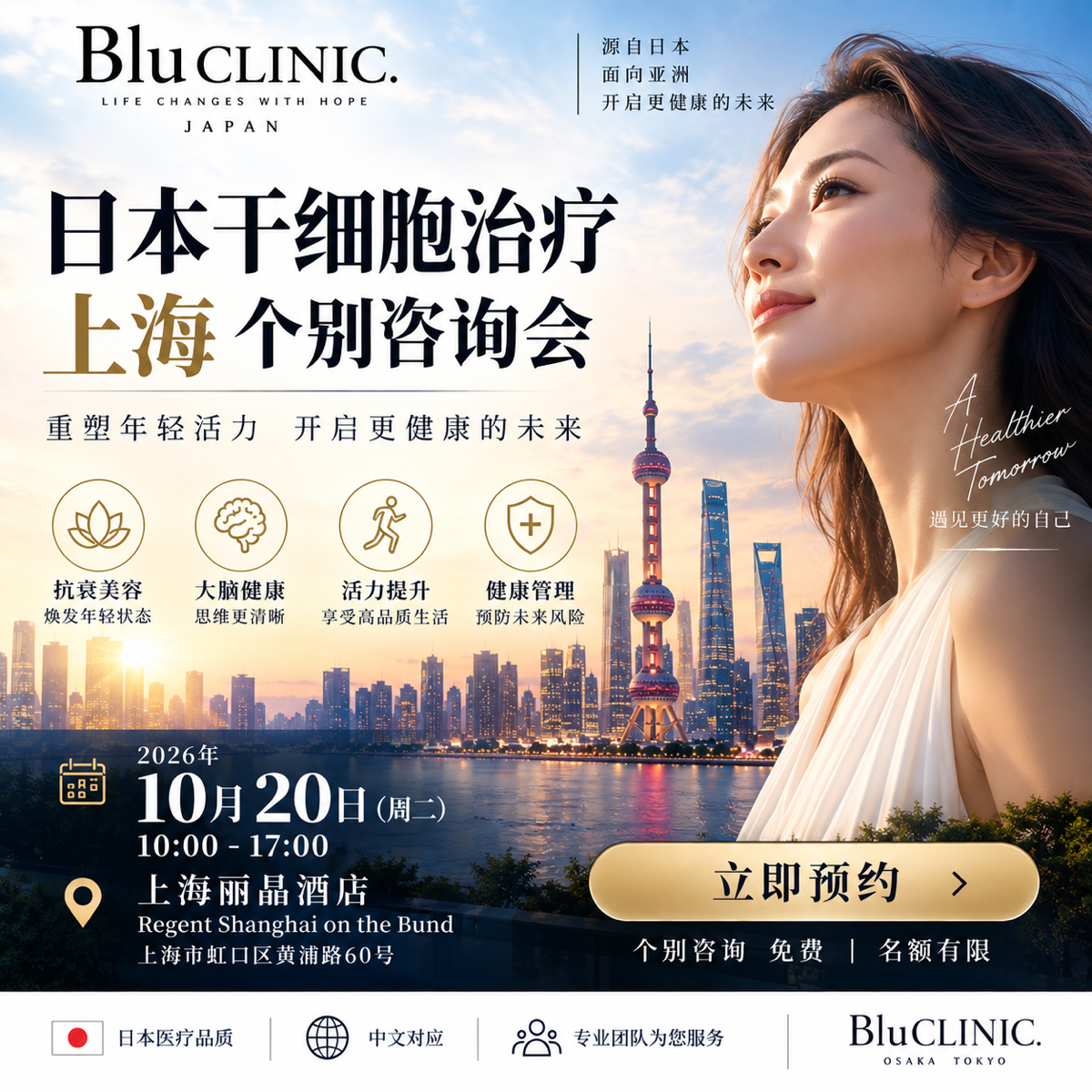
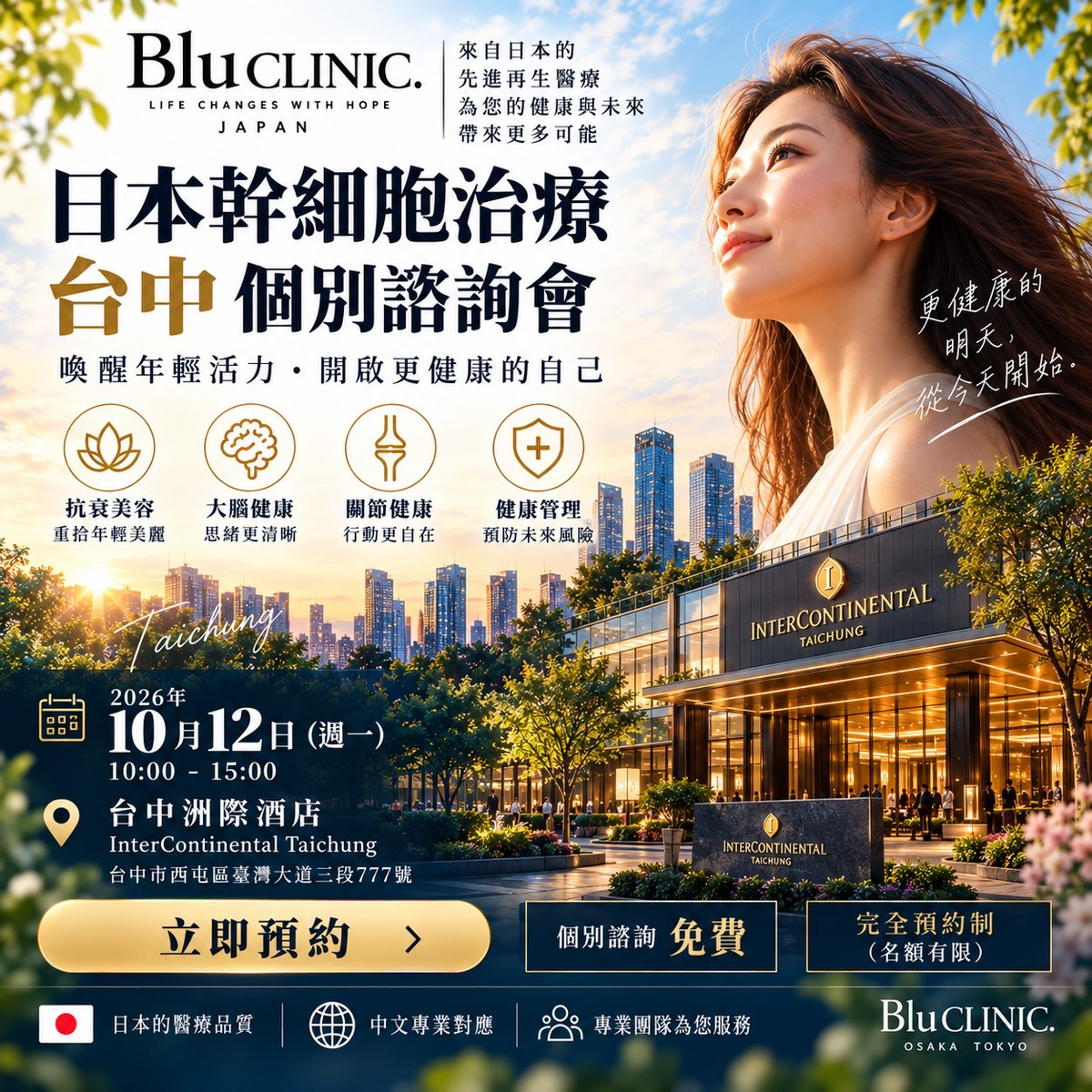
For more details on costs and treatment options,
please join our local information session.