Blog Topics
Stem Cell Injection in Japan: A Clinical Guide to Safety, Costs, and Protocols
When considering a stem cell injection, clients at Blu CLINIC (Osaka & Ginza, Tokyo) believe that cell-level care is the foundation of personal well-being. Under Dr. Saori Shimada’s clinical approach, the focus remains firmly on biological evidence rather than fleeting trends. No simple miracles. Just calculated, documented science. Clients crossing oceans to arrive at our private clinics seek clarity, not marketing noise. This guide examines the mechanism, safety profile, and regulatory reality of cellular therapies in Japan.
Understanding Stem Cell Injection in Modern Regenerative Medicine
We must first strip away the hyperbole surrounding regenerative treatments. A stem cell injection is not a magic solution. It is a biological tool. Intended to support the body’s intrinsic repair mechanisms.
The Biological Mechanism of Autologous Adipose-Derived Mesenchymal Stem Cells (MSCs)
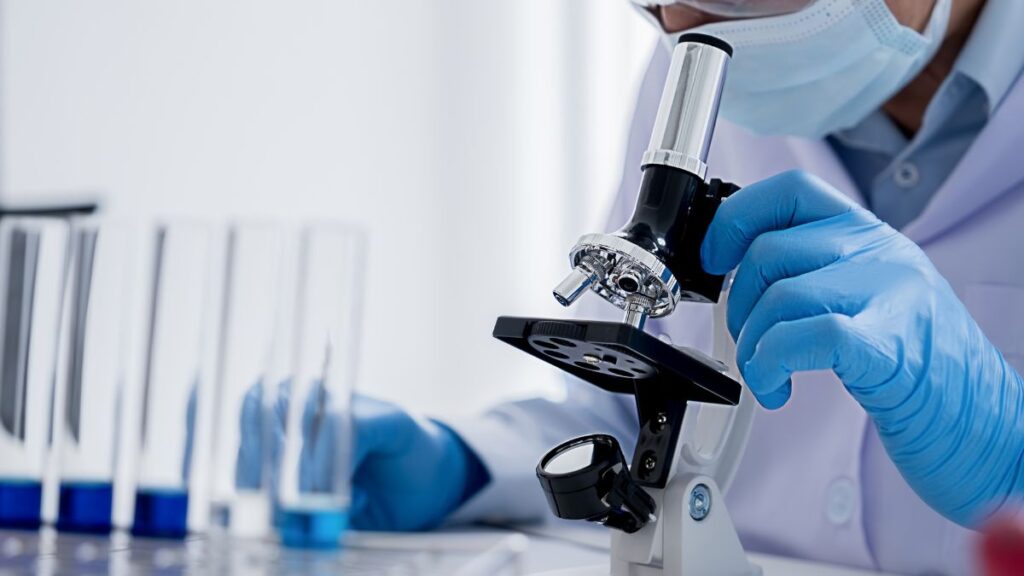
Mesenchymal stem cells (MSCs) are multipotent cells capable of differentiating into various cell types under specific conditions. The procedure begins with the extraction of a small volume of abdominal fat. From this adipose tissue, MSCs are carefully isolated and cultivated in a dedicated cell processing center (CPC). Once administered intravenously or locally, these cells may help support tissue repair by releasing specific cytokines and growth factors. The physiological response varies significantly from client to client.
Comparative Evaluation: Autologous Stem Cells vs. PRP Therapy
Clients frequently confuse these two modalities. Different origins. Different scopes. To be precise, Platelet-Rich Plasma (PRP) relies on the client’s blood, whereas our MSC therapy utilizes adipose tissue.
Key Clinical Differences in Mechanism and Intent
| Feature | Autologous MSC Therapy | Platelet-Rich Plasma (PRP) |
| Source Material | Abdominal adipose tissue | Peripheral blood |
| Primary Component | Cultured live mesenchymal stem cells | Concentrated platelets and growth factors |
| Processing Requirement | 3–4 weeks in a specialized CPC | Same-day centrifugation |
Rigorous Regulatory Framework: Regenerative Medicine in Japan
Strict oversight governs all cellular procedures here. The Japanese Ministry of Health, Labour and Welfare (MHLW) mandates specific protocols under the Act on the Safety of Regenerative Medicine (ASRM). Our facility operates strictly within this legal structure.
Treatments are notified to and filed with MHLW under the Act.Transparency is non-negotiable.
(Provision Plan Numbers)
Osaka Clinic: No. PB5260003 (Systemic/Pain) & No. PB5260002 (Fibroblast)
Ginza Clinic: No. PB3260095 (Systemic/Pain) & No. PB3260093 (Fibroblast)
Step-by-Step Clinical Journey at Blu CLINIC
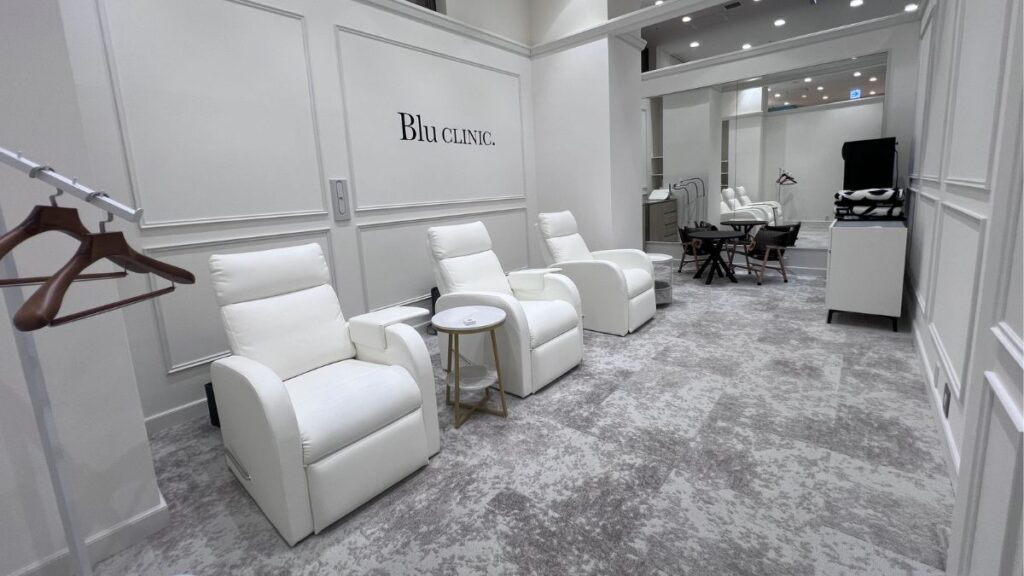
With conveniently located clinics in both Osaka (a 3-minute walk from Osaka-Umeda Station) and Tokyo (walking distance from Higashi-Ginza / Ginza Stations), stepping into Blu CLINIC marks the beginning of a highly structured medical timeline. Discreet. Safe. Highly structured.
The Culture and Administration Process
Required preliminary blood testing is conducted directly at our clinic upon your arrival in Japan. Upon medical confirmation of suitability, tissue collection occurs. For MSCs, abdominal fat is extracted. For localized fibroblast therapy, a tiny skin sample is taken from behind the ear. The collected tissue is then transported to our affiliated CPC. Following a rigorous culture period lasting approximately three to four weeks for MSCs, or three to five weeks for fibroblasts, clients return to our clinics for the targeted injection or intravenous drip.
Associated Risks, Adverse Reactions, and Precautionary Protocols
Medical interventions carry inherent risks. Assuming otherwise is medically irresponsible.
Managing Transient Responses and Safety Measures
Clients may experience pain, swelling, redness, and bruising at both the harvest and injection sites. Transient fever and allergic reactions occasionally occur following an IV drip. In rare instances, infection or breathing difficulties could manifest. We continuously monitor vital signs during the administration phase and maintain strict emergency protocols.
Financial Considerations and Fee Structure for International clients
Cost transparency is a clinical obligation. All listed figures reflect private-pay, non-insured medical expenses, with Japanese consumption tax included.
| MSC Therapy Plan | Cost (Tax Included) |
| Light | ¥6,050,000 |
| Standard | ¥7,920,000 |
| Premium | ¥9,900,000 |
Additional administration (MSC Therapy): ¥1,650,000 (tax included) per session
| Fibroblast Therapy Plan | Full Face | Full Face + Neck |
| Light | ¥1,650,000 | ¥2,420,000 |
| Standard | ¥2,420,000 | ¥3,630,000 |
| Premium | ¥2,970,000 | ¥4,840,000 |
Frequently Asked Questions regarding Stem Cell Injections
Direct answers to clinical inquiries. Evidence-based. Unembellished.
Efficacy relies heavily on individual biological conditions, age, and lifestyle factors. While cellular therapies are intended to support the body’s natural repair processes, they do not guarantee absolute resolution of symptoms. Results are highly variable.
At Blu CLINIC, cultured MSC therapies range from ¥6,050,000 to ¥9,900,000, depending on cell volume and administration frequency. Fibroblast treatments for the skin range from ¥1,650,000 to ¥4,840,000.
Primary downsides include the substantial financial investment, the multi-week culture period requiring extended stay or return travel, and physical risks such as injection site pain, swelling, or transient fever.
No. These protocols are entirely private-pay. They are not covered by Japanese public health insurance, nor do standard international private policies typically cover them.
PersonalizedMedical Concierge and Support at Blu CLINIC

Seamless logistical support ensures clinical focus. We provide complimentary transport from Kansai International Airport (KIX) to ease the physical burden of travel. Professional medical interpretation is included in the treatment package at no extra cost to ensure no nuance is lost in translation.
Autologous Adipose-Derived Stem Cell Therapy (MSC Therapy)
[Treatment Details] A treatment where stem cells derived from a small amount of adipose tissue and blood collected from the patient’s abdomen are cultured at an affiliated domestic cell processing facility (CPC), then administered via IV drip or injection.
[Standard Treatment Period & Sessions] Cell culturing takes approximately 3–4 weeks, and administration consists of 3 sessions in total per course.
[Standard Cost] ¥6,050,000 – ¥9,900,000 per course (Tax included) / Private-pay (Not covered by public health insurance). (*Additional administration: ¥1,650,000 per session.)
*Note: Counseling is free of charge, and required preliminary blood testing upon arrival as well as medical interpreter services are included in the treatment package at no extra cost.
[Risks & Side Effects] Pain, swelling, redness, and bruising at the collection or injection sites, transient fever, allergic reactions, and in rare cases, infection or breathing difficulties.
[Notes on Unapproved Products]
(i) This treatment uses regenerative medicine products that have not received approval under Japan’s Pharmaceuticals and Medical Devices (PMD) Act.
(ii) The cells used in this treatment are cultured and processed at an affiliated domestic cell processing facility (CPC) under the physician’s medical judgment, in accordance with Japan’s Act on the Safety of Regenerative Medicine. No personal importation of drugs is involved.
(iii) There are no other domestically approved drugs or medical devices with the same composition or performance.
(iv) Information regarding safety in foreign countries: This treatment has not been widely approved in major Western countries. There is a possibility that severe risks or side effects have not yet been fully identified.
(v) In the unlikely event of a severe side effect, this treatment is not covered by Japan’s Relief System for Sufferers from Adverse Drug Reactions or the Relief System for Infections from Biological Products.
Fibroblast Therapy
[Treatment Details] A treatment where fibroblasts extracted from skin tissue collected from behind the patient’s ear are cultured at a specialized cell processing facility (CPC), then transplanted directly into the dermal layer of areas where wrinkles and sagging are a concern.
[Standard Treatment Period & Sessions] Cell culturing takes approximately 3–5 weeks, and administration consists of 2 to 4 sessions in total, typically every 2 weeks.
[Standard Cost] ¥1,650,000 – ¥4,840,000 per course (Tax included) / Private-pay (Not covered by public health insurance).
*Note: Counseling is free of charge, and required preliminary blood testing upon arrival as well as medical interpreter services are included in the treatment package at no extra cost.
[Risks & Side Effects] Pain, swelling, redness, and bruising at the collection or injection sites, temporary unevenness, and in rare cases, infection.
[Notes on Unapproved Products]
(i) This treatment uses regenerative medicine products that have not received approval under Japan’s Pharmaceuticals and Medical Devices (PMD) Act.
(ii) The cells used in this treatment are cultured and processed at an affiliated domestic cell processing facility (CPC) under the physician’s medical judgment, in accordance with Japan’s Act on the Safety of Regenerative Medicine. No personal importation of drugs is involved.
(iii) There are no other domestically approved drugs or medical devices with the same composition or performance.
(iv) Information regarding safety in foreign countries: This treatment has not been widely approved in major Western countries. There is a possibility that severe risks or side effects have not yet been fully identified.
(v) In the unlikely event of a severe side effect, this treatment is not covered by Japan’s Relief System for Sufferers from Adverse Drug Reactions or the Relief System for Infections from Biological Products.
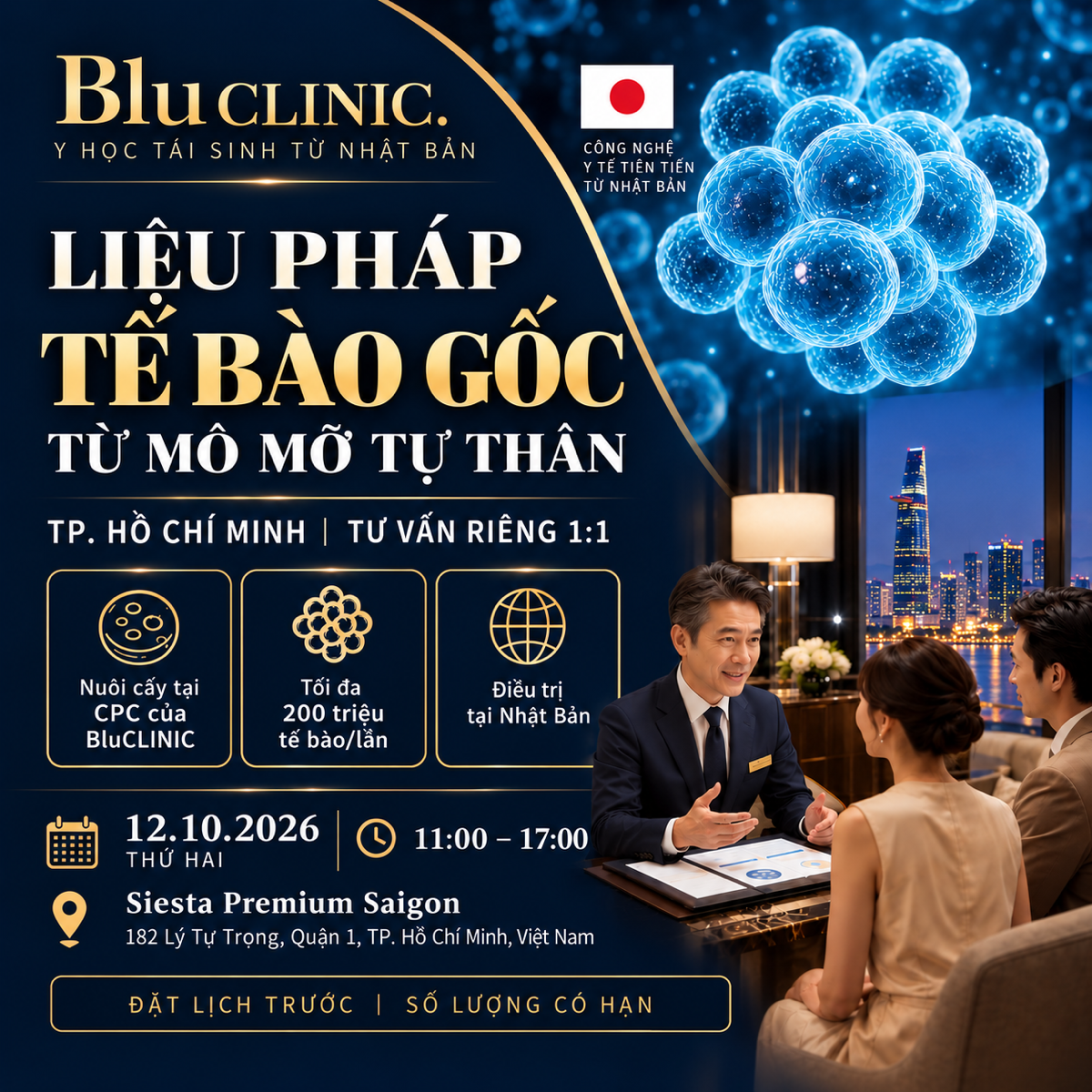
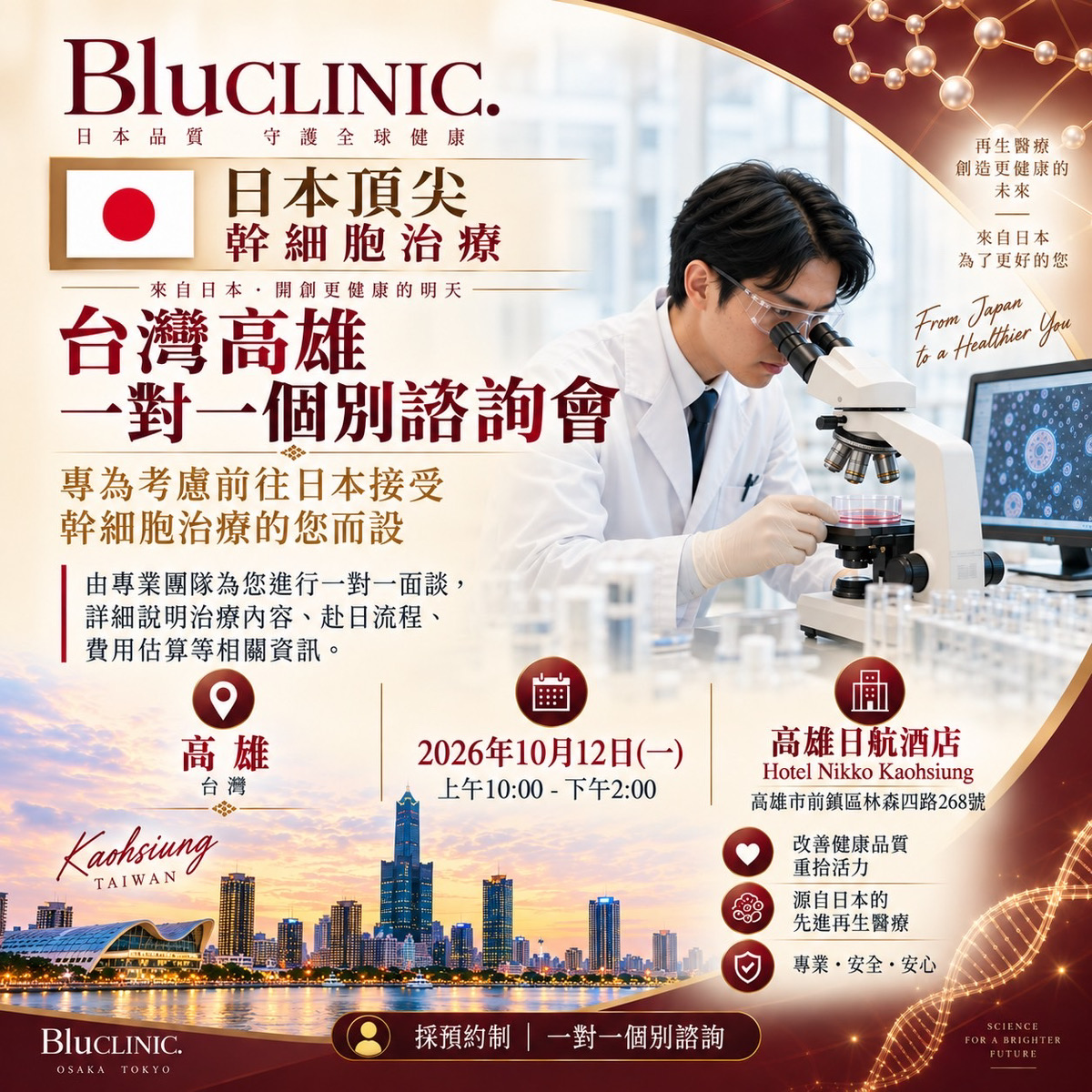
For more details on costs and treatment options,
please join our local information session.