Blog Topics
Navigating Stem Cell Therapy Costs in Japan: A Medical Guide to Standards, Quality, and Regulations
For individuals exploring advanced medical options, understanding the true context behind stem cell therapy cost is essential. At Blu CLINIC (Osaka & Ginza, Tokyo), under the medical direction of Dr. Saori Shimada, we believe that transparency regarding pricing, legal compliance, and cellular quality is the foundation of client trust. This guide provides a comprehensive overview of how stem cell therapy costs are structured in Japan, focusing on the rigorous medical standards designed to support your body’s natural cellular environment.
Understanding the Baseline: What Determines Stem Cell Therapy Costs Globally?
Stem cell therapy costs are primarily determined by the quality of cell processing, the legal framework governing the clinic, and the level of specialized medical expertise required for administration.
The financial investment required for cellular therapy can vary significantly around the world. Rather than reflecting a standard commodity price, the cost is a direct reflection of the medical infrastructure supporting the treatment. Key factors include:
● Cell Culturing Infrastructure: The transition from raw tissue to a viable cellular product requires highly controlled, sterile laboratory environments.
● Regulatory Compliance: Jurisdictions with strict medical oversight necessitate comprehensive documentation, audits, and medical protocols, which require substantial resources.
● Medical Expertise: Careful physiological assessment and administration by qualified physicians are necessary to monitor the client’s individual biological response.
The Landscape of Stem Cell Therapy Costs in Japan: Transparency and Compliance
In Japan, costs reflect strict compliance with the Act on the Safety of Regenerative Medicine, requiring certified Cell Processing Centers (CPC) and formal notifications to the Ministry of Health, Labour and Welfare.
Japan operates under a highly regulated framework for regenerative medicine. At Blu CLINIC, all therapies are provided in accordance with the Act on the Safety of Regenerative Medicine. We utilize affiliated domestic Cell Processing Centers (CPC) to maintain high standards of cell viability. Our clinic operates under Class II Regenerative Medicine notifications filed with the Ministry of Health, Labour and Welfare (MHLW).
To provide complete financial transparency, below is the standard pricing structure at Blu CLINIC (Tax included).
(Provision Plan Numbers)
Osaka Clinic: No. PB5260003 (Systemic/Pain) & No. PB5260002 (Fibroblast)
Ginza Clinic: No. PB3260095 (Systemic/Pain) & No. PB3260093 (Fibroblast)
Autologous Adipose-Derived Stem Cell (MSC) Therapy Fees
● Light: ¥6,050,000
● Standard: ¥7,920,000
● Premium: ¥9,900,000
Additional administration (MSC Therapy): ¥1,650,000 (tax included) per session
Fibroblast Therapy Fees (Targeted Skin Layer Support)
● Fibroblast (Full Face):
○ Light ¥1,650,000
○ Standard ¥2,420,000
○ Premium ¥2,970,000
● Fibroblast (Full Face + Neck):
○ Light ¥2,420,000
○ Standard ¥3,630,000
○ Premium ¥4,840,000
Is Stem Cell Therapy Covered by Insurance in Japan or Internationally?
Stem cell therapies at private clinics are self-funded (private-pay) medical procedures and are not covered by public health insurance systems in Japan or internationally.
These therapies fall under the category of private-pay medical care because they utilize unapproved products under Japan’s PMD Act (though legally administered under the Act on the Safety of Regenerative Medicine (ASRM) ).Consequently, the entire cost is borne by the client. We strongly advise international clients to recognize that standard travel or health insurance policies do not cover these elective cellular treatments.
Why is the Quality of Cell Culturing Worth the Cost?
High costs are associated with the rigorous culturing of cells in specialized facilities, which is intended to maintain cell viability and quality for optimal physiological support.
The cultivation of Mesenchymal Stem Cells (MSCs) and Fibroblasts requires precision. Culturing is not merely about multiplying cells; it is about maintaining their functional integrity. Research indicates that the strictly controlled environment of a Cell Processing Center is critical for preserving the cells’ capacity to secrete paracrine factors, which are thought to interact with the body’s existing tissues and support physiological maintenance. At Blu CLINIC, our reliance on domestic CPCs ensures that the biological materials administered have been processed under rigorous quality control standards.
Longevity and Biological Lifespan: How Long Do Administered Stem Cells Stay in the Body?
Administered stem cells typically undergo clearance from the body within days to weeks, but they are intended to interact with tissue environments through paracrine signaling before clearing.
A common question regarding the cost-to-value ratio is the biological lifespan of the administered cells. Intravenously administered MSCs do not remain in the body indefinitely. Clinical studies suggest that many of these cells are cleared by the pulmonary system and other organs relatively quickly. However, their primary mechanism of action is understood to be the temporary release of signaling molecules that interact with the host’s immune and tissue environments during their brief presence.
Expected Timelines: How Long Does It Take to Observe Cellular Support?
Physiological responses to stem cell therapy are gradual. Clients may observe changes over weeks to months as the cells interact with the body’s natural maintenance systems.
Cellular therapy is a gradual biological process. Because the administered cells (such as fibroblasts in the dermal layer or MSCs systemically) work by interacting with your body’s intrinsic cellular environment, physiological changes are not immediate. Standard clinical observation suggests that any potential tissue support or structural maintenance develops progressively over the course of several weeks to months, varying significantly depending on the individual’s baseline health, age, and lifestyle.
Medical Transparency: Assessing the Potential Risks and Side Effects Safely
While processed under strict protocols, potential risks include injection site pain, swelling, transient fever, and rare complications like infection, requiring full medical disclosure.
A critical component of quality medical care is the honest discussion of risks. The cost of therapy includes the medical supervision required to manage these risks. Common physiological responses may include localized pain, redness, swelling, or bruising at the blood draw or injection sites. Systemic administration may cause transient fever or allergic reactions. In rare clinical scenarios infection or breathing difficulties may occur. We conduct thorough pre-treatment assessments to mitigate these risks.
Elite Concierge and Medical Hospitality for International Clients

Blu CLINIC provides comprehensive support for international clients, including free Kansai International Airport (KIX) transfers, dedicated medical interpretation, and a central location.
With conveniently located clinics in both Osaka (a 3-minute walk from Osaka-Umeda Station) and Tokyo (walking distance from Higashi-Ginza / Ginza Stations), Blu CLINIC is dedicated to providing seamless medical hospitality.
● Pre-Treatment Testing: Required preliminary blood testing is conducted directly at our clinic upon arrival in Japan, fully integrated into your treatment package.
● Transportation: We offer complimentary transfer services from Kansai International Airport (KIX).
● Communication: Dedicated professional medical interpretation is included in the treatment package at no extra cost to ensure clear, precise communication during your consultation with our physician.
Quick FAQ Section: Addressing Essential Questions on Stem Cell Therapy Costs
No. Stem cell therapy at our clinic is a fully self-funded (private-pay) medical procedure and is not covered by any national or private health insurance plans.
The cells themselves are naturally cleared by the body over a period of days to weeks. However, the potential physiological support they initiate is a gradual process, with changes typically observed over several weeks to months.
Risks include injection site pain, swelling, and transient fever. Rare but severe risks include infection or allergic reactions. All treatments are conducted under physician supervision to manage these possibilities.
Costs vary based on regulatory environments. In Japan, the Act on the Safety of Regenerative Medicine mandates strict protocols, including processing in specialized Cell Processing Centers (CPCs), which requires significant investment to maintain high safety standards.
Conclusion: A Commitment to Evidence-Based Care and Compliance
Understanding stem cell therapy cost involves recognizing the medical standards, rigorous cell processing, and legal compliance required to conduct these procedures safely. At Blu CLINIC, we are committed to providing transparent, evidence-based medical care tailored to your individual physiological needs.
Autologous Adipose-Derived Stem Cell Therapy (MSC Therapy)
[Treatment Details] A treatment where stem cells derived from a small amount of adipose tissue and blood collected from the patient’s abdomen are cultured at an affiliated domestic cell processing facility (CPC), then administered via IV drip or injection.
[Standard Treatment Period & Sessions] Cell culturing takes approximately 3–4 weeks, and administration consists of 3 sessions in total per course.
[Standard Cost] ¥6,050,000 – ¥9,900,000 per course (Tax included) / Private-pay (Not covered by public health insurance). (*Additional administration: ¥1,650,000 per session.)
*Note: Counseling is free of charge, and required preliminary blood testing upon arrival as well as medical interpreter services are included in the treatment package at no extra cost.
[Risks & Side Effects] Pain, swelling, redness, and bruising at the collection or injection sites, transient fever, allergic reactions, and in rare cases, infection or breathing difficulties.
[Notes on Unapproved Products]
(i) This treatment uses regenerative medicine products that have not received approval under Japan’s Pharmaceuticals and Medical Devices (PMD) Act.
(ii) The cells used in this treatment are cultured and processed at an affiliated domestic cell processing facility (CPC) under the physician’s medical judgment, in accordance with Japan’s Act on the Safety of Regenerative Medicine. No personal importation of drugs is involved.
(iii) There are no other domestically approved drugs or medical devices with the same composition or performance.
(iv) Information regarding safety in foreign countries: This treatment has not been widely approved in major Western countries. There is a possibility that severe risks or side effects have not yet been fully identified.
(v) In the unlikely event of a severe side effect, this treatment is not covered by Japan’s Relief System for Sufferers from Adverse Drug Reactions or the Relief System for Infections from Biological Products.
Fibroblast Therapy
[Treatment Details] A treatment where fibroblasts extracted from skin tissue collected from behind the patient’s ear are cultured at a specialized cell processing facility (CPC), then transplanted directly into the dermal layer of areas where wrinkles and sagging are a concern.
[Standard Treatment Period & Sessions] Cell culturing takes approximately 3–5 weeks, and administration consists of 2 to 4 sessions in total, typically every 2 weeks.
[Standard Cost] ¥1,650,000 – ¥4,840,000 per course (Tax included) / Private-pay (Not covered by public health insurance).
*Note: Counseling is free of charge, and required preliminary blood testing upon arrival as well as medical interpreter services are included in the treatment package at no extra cost.
[Risks & Side Effects] Pain, swelling, redness, and bruising at the collection or injection sites, temporary unevenness, and in rare cases, infection.
[Notes on Unapproved Products]
(i) This treatment uses regenerative medicine products that have not received approval under Japan’s Pharmaceuticals and Medical Devices (PMD) Act.
(ii) The cells used in this treatment are cultured and processed at an affiliated domestic cell processing facility (CPC) under the physician’s medical judgment, in accordance with Japan’s Act on the Safety of Regenerative Medicine. No personal importation of drugs is involved.
(iii) There are no other domestically approved drugs or medical devices with the same composition or performance.
(iv) Information regarding safety in foreign countries: This treatment has not been widely approved in major Western countries. There is a possibility that severe risks or side effects have not yet been fully identified.
(v) In the unlikely event of a severe side effect, this treatment is not covered by Japan’s Relief System for Sufferers from Adverse Drug Reactions or the Relief System for Infections from Biological Products.
For more details on costs and treatment options,
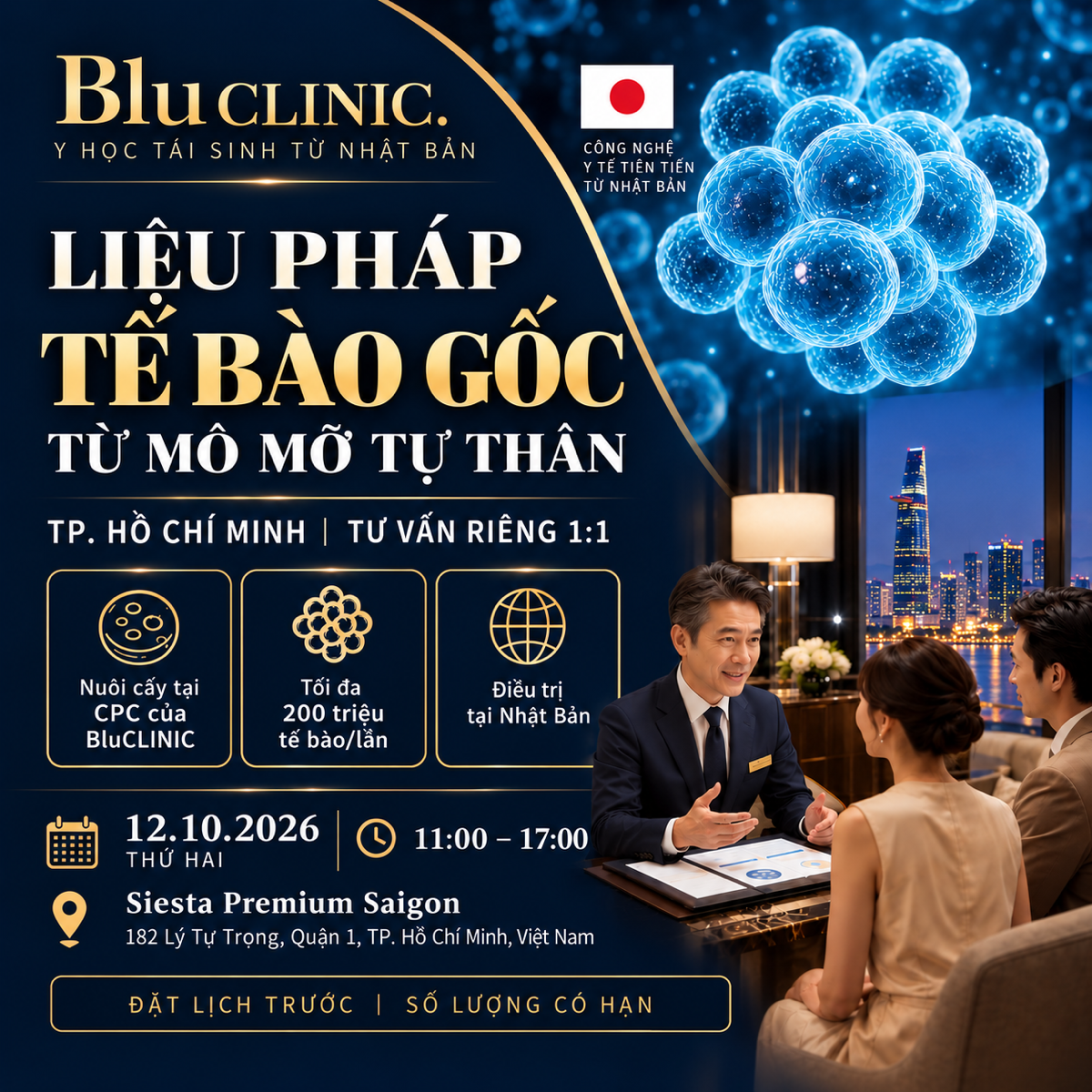
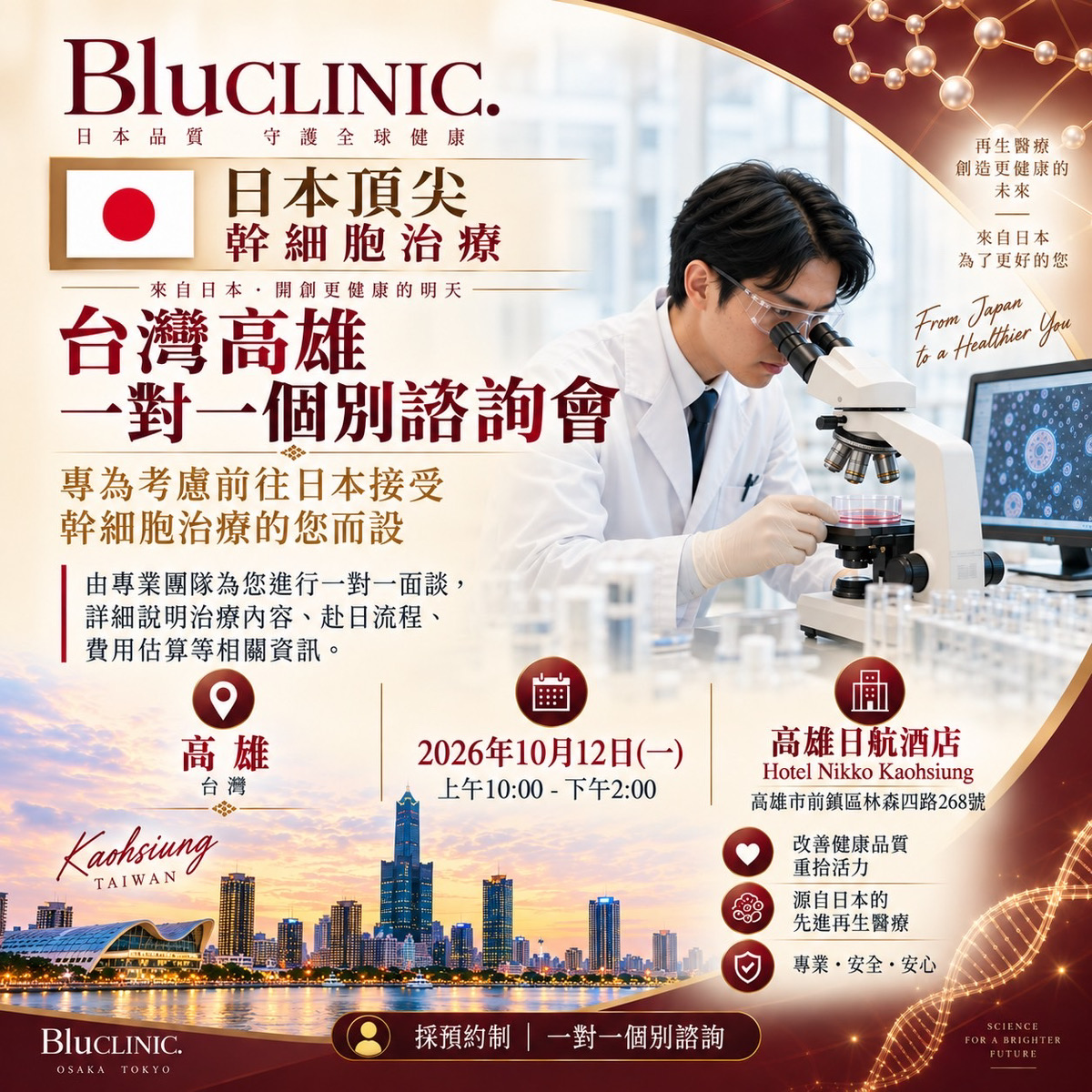
please join our local information session.