Blog Topics
Understanding Stem Cells and Treatment: A Guide to Autologous Regenerative Therapy in Japan
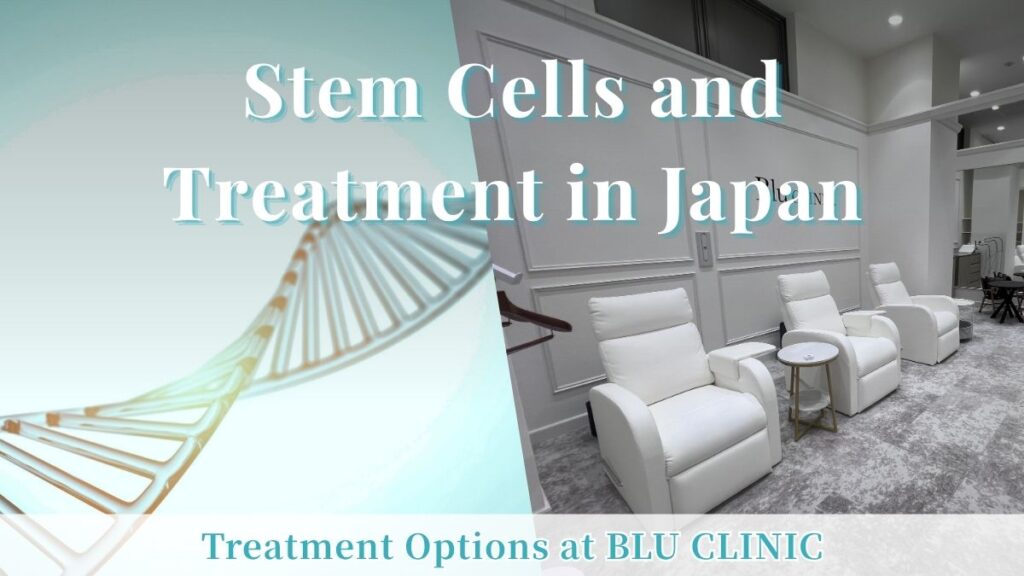
Stem cells and treatment applications in Japan offer a highly regulated, science-backed approach to long-term health and biological repair. Stem cell therapy represents an advanced branch of regenerative medicine designed to reinforce the body’s natural maintenance systems using living biological materials. At Blu CLINIC (Osaka & Ginza, Tokyo), under Dr. Saori Shimada’s clinical guidance, we provide autologous cell protocols filed under Japan’s strict regulatory frameworks. This article focuses specifically on the autologous regenerative therapies available at Blu CLINIC, including adipose-derived mesenchymal stem cell (MSC) therapy and autologous fibroblast therapy. Let’s examine what stem cells are, how these treatments work, and what to expect regarding their applications, safety, and costs in Japan.
What Are Stem Cells and How Does Treatment Work? Scope and Biological Mechanisms
At their biological foundation, stem cells are unspecialized human cells with the unique ability to self-renew and differentiate into specialized tissue types. In the human body, they serve as an internal repair system, actively migrating to sites of tissue damage or inflammation to facilitate cellular recovery. Modern stem cell therapy harnesses these natural properties by isolating, culturing, and reintroducing high concentrations of functional cells—primarily Mesenchymal Stem Cells (MSCs) and fibroblasts—to support biological function where natural cellular capacity has declined.
When exploring stem cells and treatment applications, clients generally encounter two primary clinical objectives: systemic wellness and targeted tissue support. Systemically, intravenously administered adipose-derived MSCs navigate through the bloodstream, releasing growth factors and anti-inflammatory cytokines (paracrine effect) to help manage chronic low-grade inflammation, support organ health, and maintain biological homeostasis. Locally, autologous fibroblast therapy specifically targets the dermal layers, encouraging native collagen re-synthesis to address structural skin aging.
While stem cell treatment offers significant potential for tissue support, joint function maintenance, and overall cellular longevity, it is important to understand that regenerative care operates as a supportive biological process rather than an instantaneous cure. At Blu CLINIC, all protocols strictly utilize autologous cells—harvested directly from the client’s own body—to eliminate risks of immune rejection and ensure total alignment with Japan’s rigorous safety legislation.
Potential Applications: What Conditions Stem Cells and Treatment May Address
Targeted support; non-promotional science.
Interest in stem cell therapy continues to grow, but no single treatment can address every condition. In contemporary clinical settings, autologous MSCs are applied to support tissue maintenance, modulate systemic inflammatory responses, and assist in
supporting joint function
. Rather than serving as an immediate cure, intravenously administered cells enter the bloodstream and are gradually distributed to areas of the body where they may interact with damaged or inflamed cellular environments.
Regenerative Potential in Systemic Wellness and Tissue Maintenance
Intravenous administration introduces cultured autologous MSCs into circulation. As these cells pass through localized microenvironments, they release cytokines and growth factors that facilitate intercellular communication. Clinical protocols aim to support natural repair mechanisms across various organ systems, promoting physiological homeostasis over time.
Safety and Legal Framework: Japan’s Regulated Approach to Stem Cell Therapy
Strict oversight. Documented legal compliance.
Japan maintains a global reputation for establishing rigorous legal standardizations governing cell-based therapies. Client administration at Blu CLINIC is conducted strictly under the Act on the Safety of Regenerative Medicine (ASRM). Rather than operating within unmonitored wellness environments, medical institutions providing autologous cell administration must submit individual provision plans directly to the Ministry of Health, Labour and Welfare (MHLW).
The Act on the Safety of Regenerative Medicine (ASRM) and Class II Notifications
Blu CLINIC operates as a registered medical provider under Class II regenerative medicine notifications. Each specific therapeutic application maintains its own registered filing with government authorities:
(Provision Plan Numbers)
● Osaka Clinic: No. PB5260003 (Systemic/Pain) & No. PB5260002 (Fibroblast)
● Ginza Clinic: No. PB3260095 (Systemic/Pain) & No. PB3260093 (Fibroblast)
These formal filings confirm that processing facilities, clinical protocols, and physician credentials undergo objective state-level screening before client care commences.
Eligibility and Assessment: Determining Who Is Suitable for Treatment
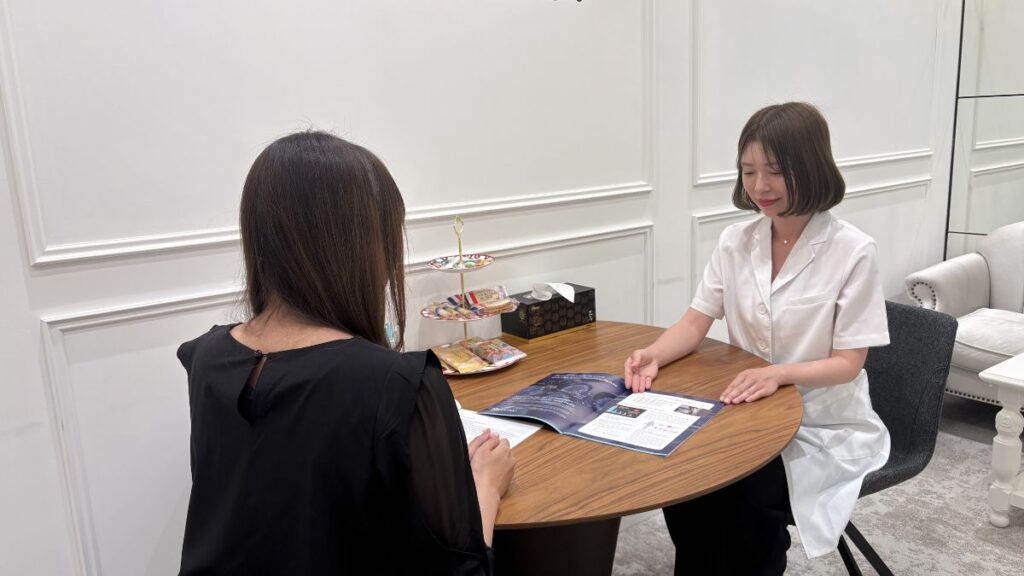
Careful screening before commitment.
Stem cell administration is not a blanket solution suitable for every individual. Under Dr. Saori Shimada’s direction, candidate evaluation begins well before a client sets foot in Osaka. Ensuring client safety necessitates clear boundaries regarding who can undergo adipose tissue harvesting and cell reinfusion.
Key Contraindications and Disqualifying Medical Factors
Certain medical conditions automatically disqualify individuals from undergoing autologous stem cell therapy. These screening criteria exist solely to prevent adverse biological reactions or clinical complications:
● Active oncological diagnoses or undergoing current anti-cancer therapies
● Severe systemic infection or an active or uncontrolled viral conditions
● Severe blood coagulation disorders or compromised hematological profiles
● Uncontrolled systemic autoimmune conditions in acute flare states
Required preliminary blood testing is conducted directly on-site at Blu CLINIC upon arrival in Japan, fully integrated into the treatment package to confirm eligibility before procedure execution.
Treatment Costs, Investment Structure, and Insurance Realities
Transparent private-pay structures. Clear expectations.
Navigating medical care in Japan requires complete clarity regarding financial obligations. Autologous cell therapy falls outside standard public health coverage and is conducted purely on a private-pay basis.
Transparent Pricing and Out-of-Pocket Considerations
The financial commitment for autologous regenerative care reflects the sophisticated laboratory infrastructure, rigorous safety compliance, and individual cell expansion processes involved. Below is a structured breakdown of official pricing at Blu CLINIC (all amounts include local tax):
| Treatment Option | Plan Tier | Fee Structure (JPY, Tax Incl.) | Treatment Scope & Specifics |
| Autologous MSC Therapy | Light | ¥6,050,000 | 100million × 3sessions |
| Standard | ¥7,920,000 | 150million × 3sessions | |
| Premium | ¥9,900,000 | 200million × 3sessions | |
| Additional MSC Session | Single | ¥1,650,000 | Per supplementary administration session |
| Fibroblast (Full Face) | Light / Standard / Premium | ¥1,650,000 / ¥2,420,000 / ¥2,970,000 | Dermal target (tissue collected behind ear) |
| Fibroblast (Face & Neck) | Light / Standard / Premium | ¥2,420,000 / ¥3,630,000 / ¥4,840,000 | Expanded dermal application course |
To support international clients, initial medical consultations are offered free of charge. Optional support services include complimentary transportation from Kansai International Airport (KIX) directly to the clinic, and professional medical interpretation is integrated into the treatment package at no extra cost.
Transparent Risk Profile: Downsides, Side Effects, and Recovery Expectations
Measured outcomes; honest clinical disclosures.
Medical interventions inevitably carry potential risks and transient side effects. Open communication regarding downtime and physical discomfort ensures clients maintain realistic expectations throughout their treatment timeline.
Understanding Transient Symptoms Versus Lipoaspirate Recovery
Following abdominal tissue collection under local anesthesia, clients commonly experience mild soreness, localized swelling, or slight bruising at the harvest site for several days to a week, similar to muscle soreness after intense physical activity. Following intravenous stem cell administration, some individuals report temporary mild fever, slight headache, or systemic fatigue lasting 24 to 48 hours as the immune system responds to cell reinfusion. Serious rejection-related risks remain extremely low due to the autologous nature of the therapy, though infection at injection points or rare allergic reactions remain documented risks in clinical practice.
The Client Protocol at Blu CLINIC: From Preparation to Post-Care

Streamlined coordination. Uncompromised privacy.
Stepping off a long-haul flight into Osaka and transitioning to a private treatment suite requires organized, compassionate logistics. The clinical workflow at Blu CLINIC is structured to accommodate foreign visitors with complete efficiency and medical rigor.
Dedicated Concierge Care, Transport, and Medical Interpretation
- Initial Assessment & On-Site Blood Panel: Medical evaluation by Dr. Shimada and required preliminary blood testing conducted on-site upon arrival in Japan.
- Adipose Harvesting in Osaka: A brief outpatient visit to Blu CLINIC for local anesthesia and minimal fat collection (and behind-the-ear tissue if undergoing fibroblast therapy).
- Cell Expansion Phase: A cultivation period at our affiliated domestic CPC — approximately 3 to 4 weeks for MSCs, or 3 to 5 weeks for fibroblasts (clients may flexibly return home during this period).
- Targeted Administration: Reinfusion via IV drip or localized injection in our private suites, supported by a dedicated medical interpreter.
- Follow-Up Guidance: Structured remote post-care protocols following your return home.
Frequently Asked Questions About Stem Cells and Treatment
Autologous MSC courses at Blu CLINIC range from ¥6,050,000 to ¥9,900,000 depending on the selected plan tier, with additional sessions priced at ¥1,650,000 each. These therapies are elective and private-pay; they are not covered by Japanese national health insurance or foreign medical insurance policies.
Biological responses vary considerably among individuals based on age, overall health, and lifestyle factors. Because autologous cells interact with native physiological processes rather than causing immediate structural change, outcomes results are not something you notice right away; clinical assessments typically observe subtle progressive changes over several months to years.
Primary downsides include temporary physical discomfort at the fat harvesting site, minor post-infusion fatigue or fever, and significant financial out-of-pocket investment. Additionally, because cells require a 3-to-4-week laboratory culturing period, immediate same-day cell therapy is biologically impossible in a compliant autologous framework.
Japan enforces the Act on the Safety of Regenerative Medicine (ASRM), which mandates that every clinic submit official provision plans to the Ministry of Health, Labour and Welfare before performing cell therapies.
Safety is managed through a legally established framework of regulation, review, and reporting.
Disqualifying criteria include active oncological conditions, severe systemic infections, abnormal blood coagulation disorders, or abnormal preliminary blood panel results that present safety risks during fat harvesting or cell infusion.
Contact & Support: Initial Consultation with Blu CLINIC
Navigating medical travel requires structured guidance, clinical clarity, and complete transparency. The medical team at Blu CLINIC is ready to assist you in reviewing your preliminary medical profile, addressing logistical inquiries, and planning your care in Osaka.
Autologous Adipose-Derived Stem Cell Therapy (MSC Therapy)
[Treatment Details] A treatment where stem cells derived from a small amount of adipose tissue and blood collected from the patient’s abdomen are cultured at an affiliated domestic cell processing facility (CPC), then administered via IV drip or injection.
[Standard Treatment Period & Sessions] Cell culturing takes approximately 3–4 weeks, and administration consists of 3 sessions in total per course.
[Standard Cost] ¥6,050,000 – ¥9,900,000 per course (Tax included) / Private-pay (Not covered by public health insurance). (*Additional administration: ¥1,650,000 per session.)
*Note: Counseling is free of charge, and required preliminary blood testing upon arrival as well as medical interpreter services are included in the treatment package at no extra cost.
[Risks & Side Effects] Pain, swelling, redness, and bruising at the collection or injection sites, transient fever, allergic reactions, and in rare cases, infection or breathing difficulties.
[Notes on Unapproved Products]
(i) This treatment uses regenerative medicine products that have not received approval under Japan’s Pharmaceuticals and Medical Devices (PMD) Act.
(ii) The cells used in this treatment are cultured and processed at an affiliated domestic cell processing facility (CPC) under the physician’s medical judgment, in accordance with Japan’s Act on the Safety of Regenerative Medicine. No personal importation of drugs is involved.
(iii) There are no other domestically approved drugs or medical devices with the same composition or performance.
(iv) Information regarding safety in foreign countries: This treatment has not been widely approved in major Western countries. There is a possibility that severe risks or side effects have not yet been fully identified.
(v) In the unlikely event of a severe side effect, this treatment is not covered by Japan’s Relief System for Sufferers from Adverse Drug Reactions or the Relief System for Infections from Biological Products.
Fibroblast Therapy
[Treatment Details] A treatment where fibroblasts extracted from skin tissue collected from behind the patient’s ear are cultured at a specialized cell processing facility (CPC), then transplanted directly into the dermal layer of areas where wrinkles and sagging are a concern.
[Standard Treatment Period & Sessions] Cell culturing takes approximately 3–5 weeks, and administration consists of 2 to 4 sessions in total, typically every 2 weeks.
[Standard Cost] ¥1,650,000 – ¥4,840,000 per course (Tax included) / Private-pay (Not covered by public health insurance).
*Note: Counseling is free of charge, and required preliminary blood testing upon arrival as well as medical interpreter services are included in the treatment package at no extra cost.
[Risks & Side Effects] Pain, swelling, redness, and bruising at the collection or injection sites, temporary unevenness, and in rare cases, infection.
[Notes on Unapproved Products]
(i) This treatment uses regenerative medicine products that have not received approval under Japan’s Pharmaceuticals and Medical Devices (PMD) Act.
(ii) The cells used in this treatment are cultured and processed at an affiliated domestic cell processing facility (CPC) under the physician’s medical judgment, in accordance with Japan’s Act on the Safety of Regenerative Medicine. No personal importation of drugs is involved.
(iii) There are no other domestically approved drugs or medical devices with the same composition or performance.
(iv) Information regarding safety in foreign countries: This treatment has not been widely approved in major Western countries. There is a possibility that severe risks or side effects have not yet been fully identified.
(v) In the unlikely event of a severe side effect, this treatment is not covered by Japan’s Relief System for Sufferers from Adverse Drug Reactions or the Relief System for Infections from Biological Products.
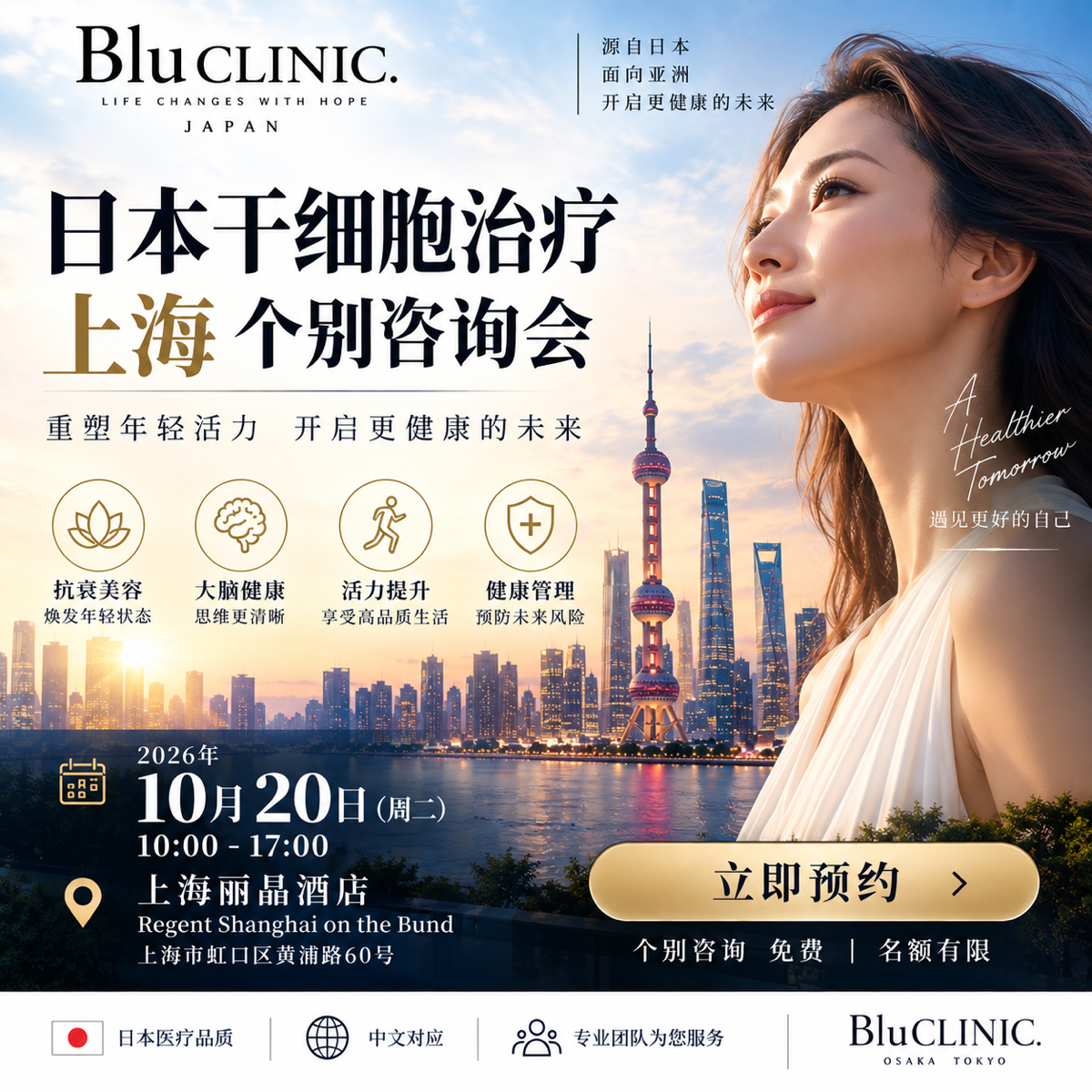
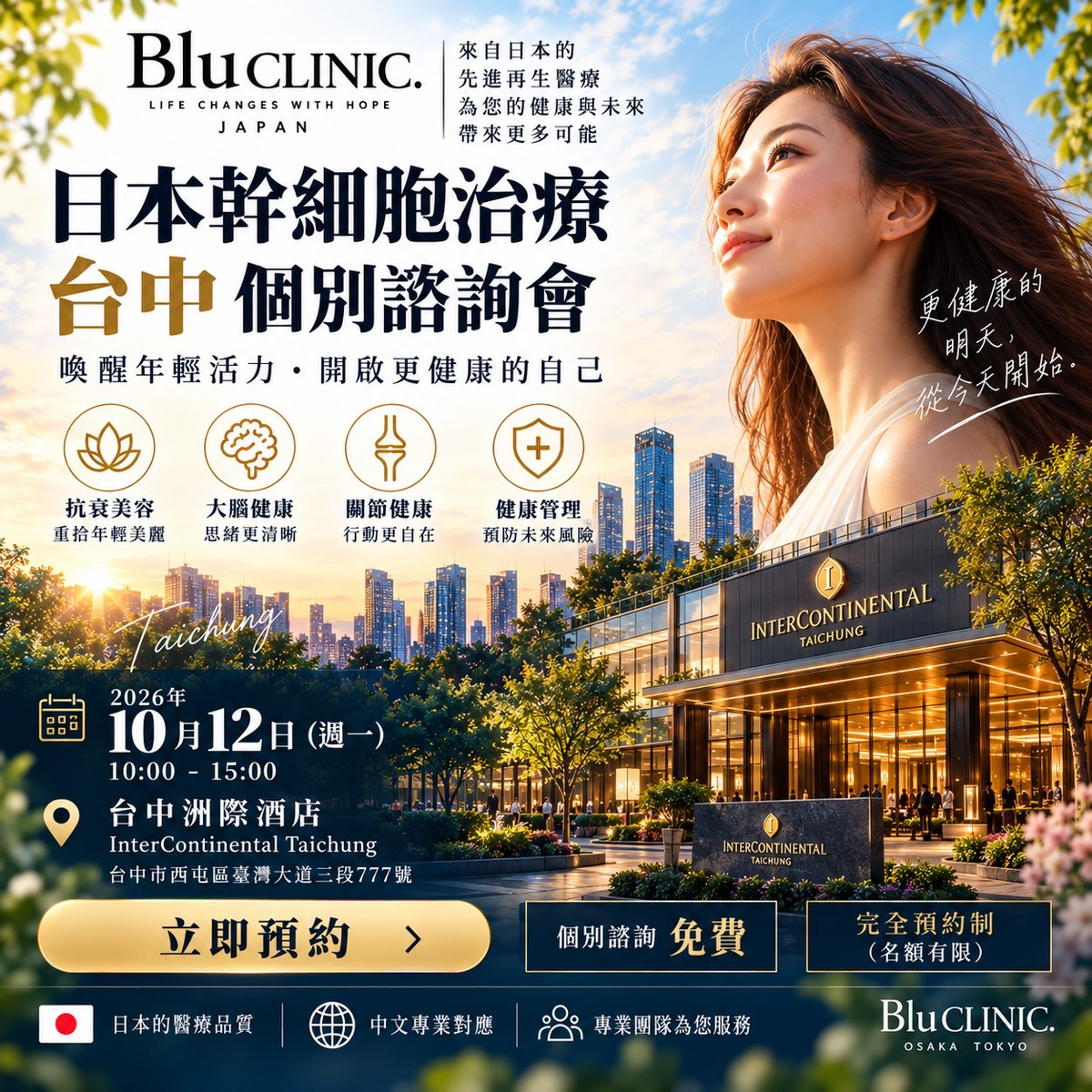
For more details on costs and treatment options,
please join our local information session.