Blog Topics
Understanding Regenerative Medicine in Japan: A Guide to Autologous Cell Therapies
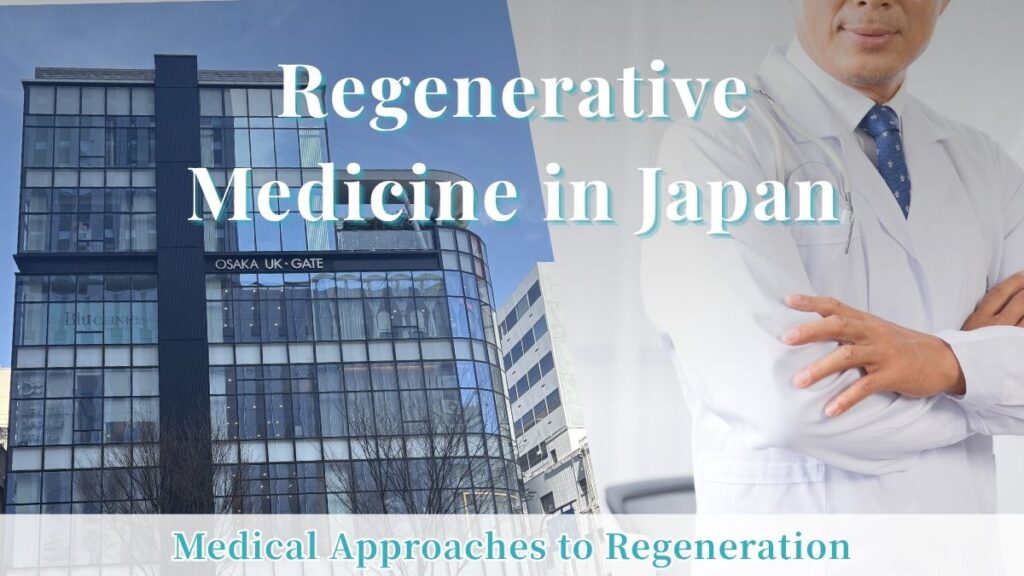
Regenerative medicine is a field of medicine that aims to repair, replace, or restore cells, tissues, or biological functions affected by disease, injury, or other conditions. In Japan, various forms of regenerative medicine are subject to specific regulatory frameworks governing their research and clinical provision. Among these approaches, autologous cell therapies use cells collected from the patient’s own body. At Blu CLINIC (Osaka & Ginza, Tokyo), under the clinical direction of Dr. Saori Shimada, we provide autologous Mesenchymal Stem Cell (MSC) therapy and Fibroblast therapy under Japan’s regulatory framework for regenerative medicine. This guide explains the fundamentals of regenerative medicine in Japan, the regulatory framework surrounding cell-based treatments, and how these autologous therapies are provided at Blu CLINIC.
What Is Regenerative Medicine? Definition and Differences from Conventional Treatment
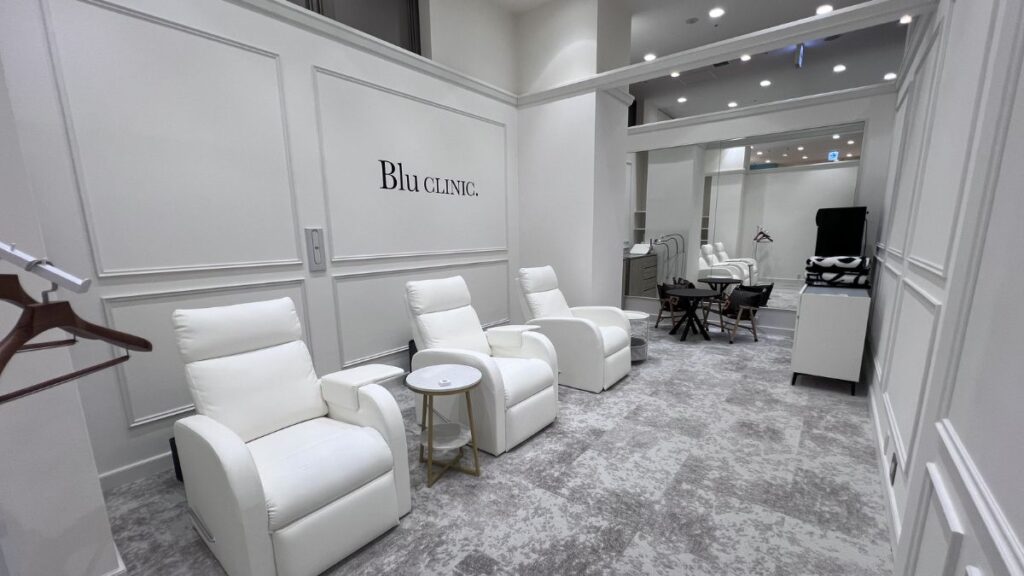
Regenerative medicine is an advanced branch of multidisciplinary healthcare designed to repair, replace, or restore damaged human cells, tissues, or biological functions. Rather than acting as a temporary external cure, regenerative medicine leverages living biological materials—primarily autologous stem cells and fibroblasts—to stimulate and enhance the body’s intrinsic cellular repair mechanisms.
The fundamental distinction between conventional medicine and regenerative medicine lies in their primary clinical objectives. Unlike many conventional treatments that use medicines, surgery, devices, or other established interventions to manage or treat disease, regenerative medicine focuses on approaches intended to repair, replace, or restore cells, tissues, or biological functions.
At Blu CLINIC, regenerative medicine is operationalized through two distinct autologous protocols: systemic Mesenchymal Stem Cell (MSC) therapy harvested from abdominal fat, and targeted Fibroblast therapy harvested from post-auricular skin tissue. Both approaches operate strictly under Japan’s Act on the Safety of Regenerative Medicine (ASRM) to ensure total compliance and procedural integrity.
Regulatory Landscape and Procedural Integrity
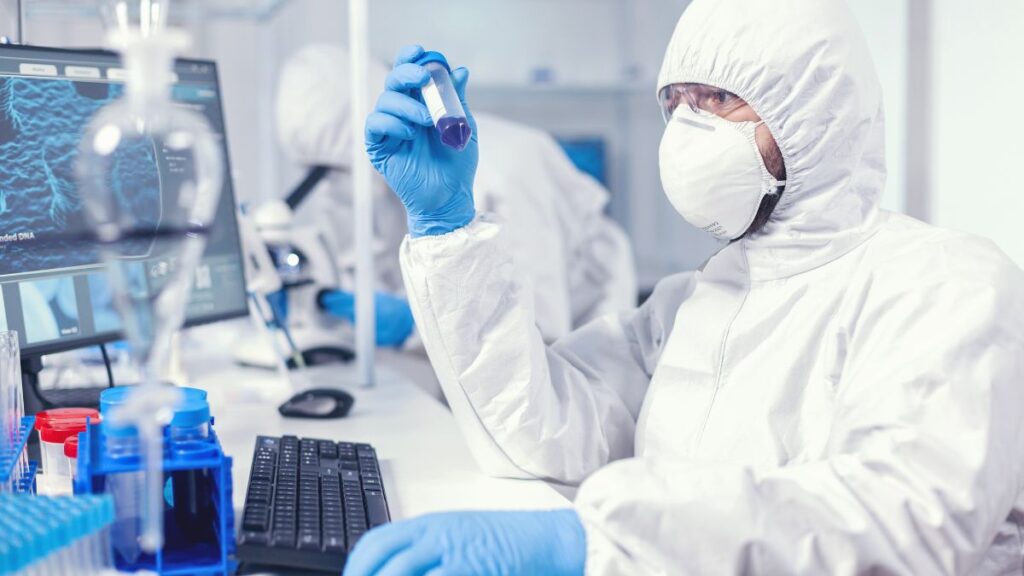
Documented safety. Legal compliance.
Navigating medical systems abroad requires absolute clarity regarding legal structures. Japan maintains specific legislative frameworks for cell-based treatments. Our autologous therapies are officially filed with the MHLW under strict guidelines.
To be precise, the provision plans are documented and accessible as follows:
(Provision Plan Numbers)
● Osaka Clinic: No. PB5260003 (Systemic/Pain) & No. PB5260002 (Fibroblast)
● Ginza Clinic: No. PB3260095 (Systemic/Pain) & No. PB3260093 (Fibroblast)
All cell processing occurs within specialized domestic cell processing facilities (CPC) to maintain stringent quality control, ensuring that biological materials are handled with the highest degree of clinical oversight.
Autologous Adipose-Derived Stem Cell Therapy (MSC)
Systemic reach. Abdominal extraction.
Medical research continues to observe the mechanisms of mesenchymal stem cells (MSCs) derived from adipose tissue. This procedure begins with the collection of a small amount of fat from the client’s abdomen, alongside a necessary blood sample. The extracted cells are then isolated and cultured over several weeks at our affiliated CPC before being administered via intravenous drip or injection.
| MSC Treatment Plan (Cell Count) | Cost (Tax Included) |
| Light 100million × 3sessions | ¥6,050,000 |
| Standard 150million × 3sessions | ¥7,920,000 |
| Premium 200million × 3sessions | ¥9,900,000 |
| Additional Session | ¥1,650,000 per session |
Autologous Fibroblast Therapy for Dermal Structural Support
Targeted layers. Post-auricular cells.
Unlike systemic approaches, fibroblast therapy focuses on localized structural support within the dermal layer. Skin tissue is collected specifically from behind the client’s ear—an area generally protected from extensive ultraviolet exposure and environmental wear. These fibroblasts are multiplied in the laboratory setting and subsequently transplanted back into targeted areas of concern, such as facial lines or neck contours.
| Fibroblast Treatment Plan | Full Face | Full Face + Neck |
| Light | ¥1,650,000 | ¥2,420,000 |
| Standard | ¥2,420,000 | ¥3,630,000 |
| Premium | ¥2,970,000 | ¥4,840,000 |
Refined International Client Support and Concierge

Dedicated assistance. Discreet transitions.
Logistical concerns should not overshadow clinical care. We facilitate complimentary private transfers from Kansai International Airport (KIX) directly to our location to ensure privacy and comfort upon arrival.
For clear communication during consultations and procedures, professional medical interpretation is included in the treatment package at no extra cost.
Frequently Asked Questions Regarding Cellular Care
Direct answers. Objective facts.
Public health insurance in Japan, as well as most international private medical insurance policies, do not cover these autologous treatments. They are provided strictly as private-pay, out-of-pocket medical procedures.
Medical procedures carry inherent risks. Clients may experience pain, temporary swelling, redness, or bruising at the tissue extraction or injection sites. It is an unapproved medical treatment under the PMD Act, meaning long-term risks are still being studied globally, and severe side effects, though rare, are a clinical possibility.
Individuals seeking structural dermal support or systemic care utilizing their own biological materials may be considered suitable. A thorough preliminary blood test and direct physician consultation are required to determine medical eligibility based on current health status.
Biological responses operate on an extended timeline. These process continues gradually after administration—meaning the therapy does not produce an immediate structural change.Individual responses and perceptions of these changes may vary.
Collaborative Consultation and Next Steps
Professional dialogue. Informed decisions.
Understanding the specifics of autologous cell therapies requires direct clinical discussion. Our team is available to provide factual information regarding your suitability, the specific risks involved, and the logistical steps required for treatment in Japan.
Autologous Adipose-Derived Stem Cell Therapy (MSC Therapy)
[Treatment Details] A treatment where stem cells derived from a small amount of adipose tissue and blood collected from the patient’s abdomen are cultured at an affiliated domestic cell processing facility (CPC), then administered via IV drip or injection.
[Standard Treatment Period & Sessions] Cell culturing takes approximately 3–4 weeks, and administration consists of 3 sessions in total per course.
[Standard Cost] ¥6,050,000 – ¥9,900,000 per course (Tax included) / Private-pay (Not covered by public health insurance). (*Additional administration: ¥1,650,000 per session.)
*Note: Counseling is free of charge, and required preliminary blood testing upon arrival as well as medical interpreter services are included in the treatment package at no extra cost.
[Risks & Side Effects] Pain, swelling, redness, and bruising at the collection or injection sites, transient fever, allergic reactions, and in rare cases, infection or breathing difficulties.
[Notes on Unapproved Products]
(i) This treatment uses regenerative medicine products that have not received approval under Japan’s Pharmaceuticals and Medical Devices (PMD) Act.
(ii) The cells used in this treatment are cultured and processed at an affiliated domestic cell processing facility (CPC) under the physician’s medical judgment, in accordance with Japan’s Act on the Safety of Regenerative Medicine. No personal importation of drugs is involved.
(iii) There are no other domestically approved drugs or medical devices with the same composition or performance.
(iv) Information regarding safety in foreign countries: This treatment has not been widely approved in major Western countries. There is a possibility that severe risks or side effects have not yet been fully identified.
(v) In the unlikely event of a severe side effect, this treatment is not covered by Japan’s Relief System for Sufferers from Adverse Drug Reactions or the Relief System for Infections from Biological Products.
Fibroblast Therapy
[Treatment Details] A treatment where fibroblasts extracted from skin tissue collected from behind the patient’s ear are cultured at a specialized cell processing facility (CPC), then transplanted directly into the dermal layer of areas where wrinkles and sagging are a concern.
[Standard Treatment Period & Sessions] Cell culturing takes approximately 3–5 weeks, and administration consists of 2 to 4 sessions in total, typically every 2 weeks.
[Standard Cost] ¥1,650,000 – ¥4,840,000 per course (Tax included) / Private-pay (Not covered by public health insurance).
*Note: Counseling is free of charge, and required preliminary blood testing upon arrival as well as medical interpreter services are included in the treatment package at no extra cost.
[Risks & Side Effects] Pain, swelling, redness, and bruising at the collection or injection sites, temporary unevenness, and in rare cases, infection.
[Notes on Unapproved Products]
(i) This treatment uses regenerative medicine products that have not received approval under Japan’s Pharmaceuticals and Medical Devices (PMD) Act.
(ii) The cells used in this treatment are cultured and processed at an affiliated domestic cell processing facility (CPC) under the physician’s medical judgment, in accordance with Japan’s Act on the Safety of Regenerative Medicine. No personal importation of drugs is involved.
(iii) There are no other domestically approved drugs or medical devices with the same composition or performance.
(iv) Information regarding safety in foreign countries: This treatment has not been widely approved in major Western countries. There is a possibility that severe risks or side effects have not yet been fully identified.
(v) In the unlikely event of a severe side effect, this treatment is not covered by Japan’s Relief System for Sufferers from Adverse Drug Reactions or the Relief System for Infections from Biological Products.
For more details on costs and treatment options,
please join our local information session.