Blog Topics
Where Do Stem Cells Come From? Clarifying Cellular Origins for Regenerative Therapy in Japan
Determining where do stem cells come from is an essential first step for patients evaluating cellular therapy in Japan. Stem cell therapy relies on living biological material to support cellular repair, and in modern clinical settings, these cells are harvested directly from a client’s own body—primarily subcutaneous abdominal fat tissue. At Blu CLINIC (Osaka & Ginza, Tokyo), under Dr. Saori Shimada’s clinical direction, we utilize autologous biological materials to ensure maximal safety and compatibility. This guide outlines the cellular origins, extraction methods, and safety standards of stem cell care in Japan.
(Provision Plan Numbers)
● Osaka Clinic: No. PB5260003 (Systemic/Pain) & No. PB5260002 (Fibroblast)
● Ginza Clinic: No. PB3260095 (Systemic/Pain) & No. PB3260093 (Fibroblast)
Where Do Stem Cells Come From? Biological Sources and Harvesting Methods
Stem cells used in medical procedures come from various biological sources, including adult tissues (such as abdominal fat and bone marrow), umbilical cord blood, and embryonic cells. In modern clinical regenerative therapy, however, the gold standard is autologous adult cells—meaning the cells are harvested directly from the patient’s own body. Sourcing cells autologously eliminates the severe ethical controversies associated with embryonic cells and significantly lowers the risk of immune rejection.
Among the available adult tissue reservoirs, subcutaneous abdominal adipose (fat) tissue is widely recognized as the richest and most accessible source for Mesenchymal Stem Cells (MSCs). Unlike bone marrow extraction, which requires invasive aspiration, fat tissue can be harvested safely through a minor procedure under local anesthesia, yielding a high concentration of viable multipotent cells.
The harvesting and processing sequence follows a strict clinical pathway: a small volume of fat tissue is gently collected from the patient’s abdomen (or skin from behind the ear for fibroblasts). This raw tissue is immediately transported to a certified Cell Processing Center (CPC), where the stem cells are isolated, evaluated, and cultured over 3 to 4 weeks before being readministered via intravenous drip or targeted injection.
Autologous Adipose Tissue: A Sophisticated and Accessible Reservoir
Your own biology. Repurposed for targeted care.
When discussing Mesenchymal Stem Cells (MSCs), a relatively viable and ethically sound origin is the client’s own abdominal adipose (fat) tissue. Adipose tissue is recognized in medical literature as a rich reservoir of multipotent cells. Harvesting from this area requires a minor procedure, yet it yields a substantial cellular population ready for professional expansion.
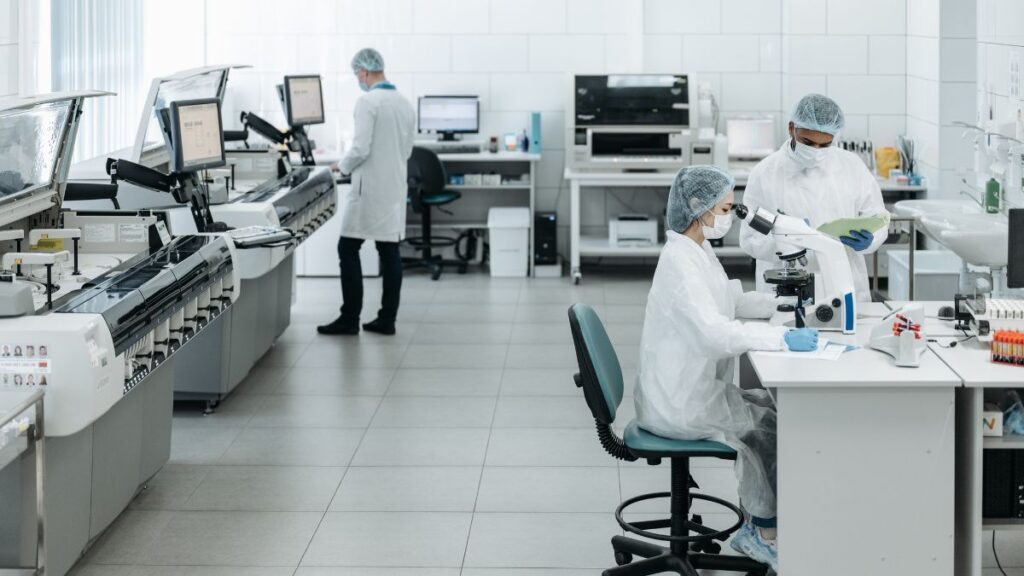
Still, the extraction is merely the initial phase. The raw tissue must undergo complex processing at a specialized domestic cell processing facility (CPC) to isolate and cultivate the MSCs to the required therapeutic volumes.
Distinguishing Autologous Adult Cells from Embryonic Controversies
Ethics aligned with science. No compromises.
A common misconception among clients arriving in Japan is that all cellular therapies involve embryonic or fetal origins. In truth, the therapies provided at Blu CLINIC rely exclusively on autologous extraction. Because the cells are drawn directly from your own abdomen (for MSCs) or from behind your ear (for Fibroblasts), the ethical dilemmas associated with embryonic research are largely avoided.
By utilizing your own biological material, the risk of immune rejection is inherently mitigated, though typical medical risks such as localized swelling or infection at the injection site remain a reality that must be carefully managed.
The Biological Journey from Adipose Tissue to Therapeutic Administration
Extraction to infusion. A highly regulated pathway.
The process of transforming collected tissue into an administrable form is highly structured. Clients often ask how their tissue is managed between the initial visit and the final administration.
| Clinical Phase | Description | Expected Timeline |
| Consultation & Assessment | Medical evaluation by Dr. Shimada, including required preliminary blood testing conducted on-site upon arrival. | Initial Visit |
| Tissue Collection | Minor procedure to extract abdominal fat (MSCs) or skin from behind the ear (Fibroblasts). | Initial Visit |
| Cell Culturing (CPC Laboratory) | Secure cellular expansion at our specialized facility. | 3–4 weeks (MSCs) / 3–5 weeks (Fibroblasts) *CPC Laboratory Culturing Period (Clients may return home) |
| Administration | IV drip or targeted injection, strictly monitored within our private clinic rooms. | Subsequent Visits |
Standard Treatment Pathways and Financial Configurations at Blu CLINIC
Transparent protocols. No hidden variables.
Decisions regarding your health should never involve financial ambiguity. We maintain a clear structure for our private-pay (uninsured) medical services.
| Treatment Category | Plan Level | Standard Cost (Tax Included) |
| Fibroblast (Full Face) | Light / Standard / Premium | ¥1,650,000 / ¥2,420,000 / ¥2,970,000 |
| Fibroblast (Full Face + Neck) | Light / Standard / Premium | ¥2,420,000 / ¥3,630,000 / ¥4,840,000 |
| MSC Therapy | Light / Standard / Premium | ¥6,050,000 / ¥7,920,000 / ¥9,900,000 |
Additional administration (MSC Therapy): ¥1,650,000 (tax included) per session.
Regulatory Rigor: Japan’s Act on the Safety of Regenerative Medicine
Oversight. Not assumptions.
Japan’s regulatory landscape is unique. The ASRM establishes a legal framework requiring medical institutions to submit detailed provision plans to the MHLW before offering specific cellular therapies. Blu CLINIC operates under Class II notifications for our MSC protocols.
This is not a blanket approval of efficacy, but rather a stringent safety and procedural compliance mandate. It ensures that cell culturing is performed at recognized domestic CPCs and that client safety monitoring adheres to strict national guidelines.
Frequently Asked Questions Regarding Stem Cell Origins
Clarity over confusion. Direct answers.
No. The cells utilized in modern, legally compliant clinical settings like ours are autologous adult cells. They are ethically harvested directly from your own body—specifically, abdominal fat tissue—with no connection to embryonic or fetal sources.
The regulatory environment in the United States requires extensive clinical trials and specific U.S. Food and Drug Administration (FDA) approvals for most cellular therapies, classifying many as unapproved biological drugs. In contrast, Japan has established the ASRM, a distinct legal framework that allows qualified clinics to offer these therapies under strict MHLW notification and oversight, provided they meet rigorous safety and processing standards.
For clinical applications regarding MSCs, abdominal adipose (fat) tissue is widely recognized as one of the most accessible and abundant sources. It yields a high concentration of viable cells compared to bone marrow, making the extraction process less invasive while providing sufficient material for CPC cultivation.
Administered MSCs do not permanently engraft or remain in the bloodstream indefinitely. They generally circulate and are cleared from the body over a period of days to weeks. Their primary medical value lies in their paracrine effect—the secretion of factors that may help support local cellular environments and modulate inflammatory responses before the cells themselves are naturally eliminated.
Tailored Concierge Care and Global Consultations

Discreet access. Seamlessly arranged.
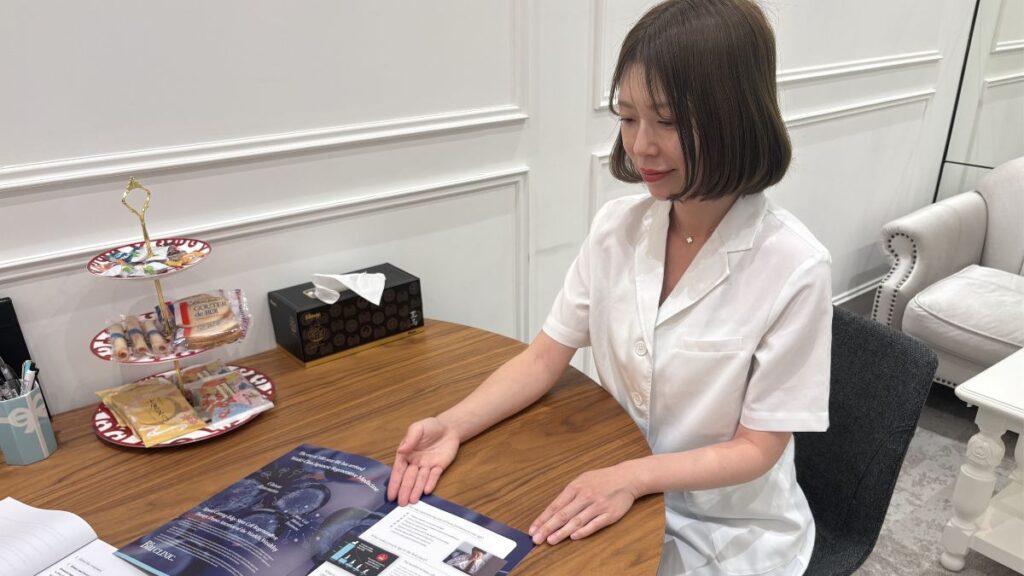
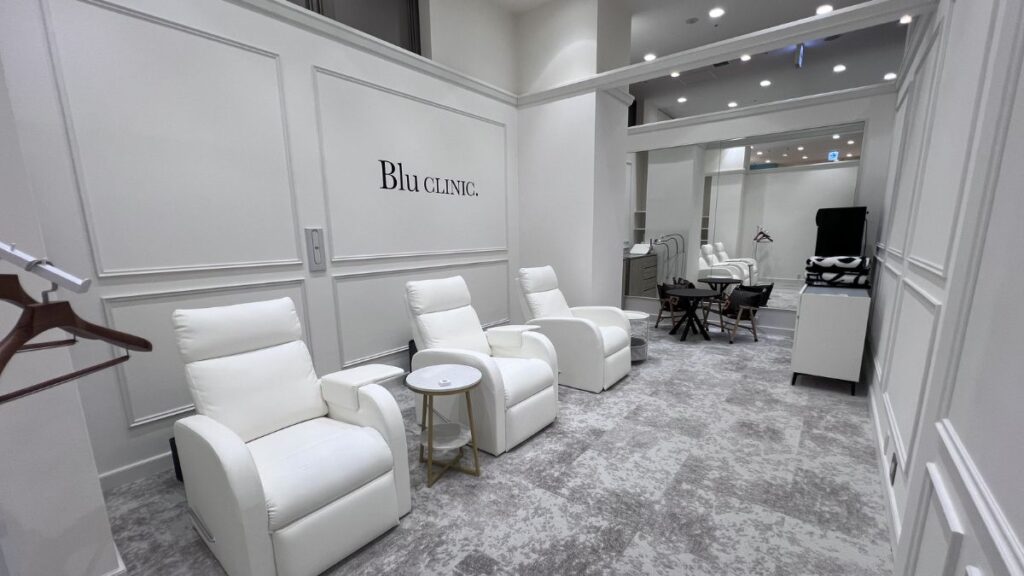
With conveniently located clinics in both Osaka (a 3-minute walk from Osaka-Umeda Station) and Tokyo (walking distance from Higashi-Ginza / Ginza Stations), Blu CLINIC is designed to provide calm, focused medical care. We arrange complimentary transportation from KIX, and professional medical interpretation is included in the treatment package at no extra cost to ensure absolute clarity between you and our medical team.
Autologous Adipose-Derived Stem Cell Therapy (MSC Therapy)
[Treatment Details] A treatment where stem cells derived from a small amount of adipose tissue and blood collected from the patient’s abdomen are cultured at an affiliated domestic cell processing facility (CPC), then administered via IV drip or injection.
[Standard Treatment Period & Sessions] Cell culturing takes approximately 3–4 weeks, and administration consists of 3 sessions in total per course.
[Standard Cost] ¥6,050,000 – ¥9,900,000 per course (Tax included) / Private-pay (Not covered by public health insurance). (*Additional administration: ¥1,650,000 per session.)
*Note: Counseling is free of charge, and required preliminary blood testing upon arrival as well as medical interpreter services are included in the treatment package at no extra cost.
[Risks & Side Effects] Pain, swelling, redness, and bruising at the collection or injection sites, transient fever, allergic reactions, and in rare cases, infection or breathing difficulties.
[Notes on Unapproved Products]
(i) This treatment uses regenerative medicine products that have not received approval under Japan’s Pharmaceuticals and Medical Devices (PMD) Act.
(ii) The cells used in this treatment are cultured and processed at an affiliated domestic cell processing facility (CPC) under the physician’s medical judgment, in accordance with Japan’s Act on the Safety of Regenerative Medicine. No personal importation of drugs is involved.
(iii) There are no other domestically approved drugs or medical devices with the same composition or performance.
(iv) Information regarding safety in foreign countries: This treatment has not been widely approved in major Western countries. There is a possibility that severe risks or side effects have not yet been fully identified.
(v) In the unlikely event of a severe side effect, this treatment is not covered by Japan’s Relief System for Sufferers from Adverse Drug Reactions or the Relief System for Infections from Biological Products.
Fibroblast Therapy
[Treatment Details] A treatment where fibroblasts extracted from skin tissue collected from behind the patient’s ear are cultured at a specialized cell processing facility (CPC), then transplanted directly into the dermal layer of areas where wrinkles and sagging are a concern.
[Standard Treatment Period & Sessions] Cell culturing takes approximately 3–5 weeks, and administration consists of 2 to 4 sessions in total, typically every 2 weeks.
[Standard Cost] ¥1,650,000 – ¥4,840,000 per course (Tax included) / Private-pay (Not covered by public health insurance).
*Note: Counseling is free of charge, and required preliminary blood testing upon arrival as well as medical interpreter services are included in the treatment package at no extra cost.
[Risks & Side Effects] Pain, swelling, redness, and bruising at the collection or injection sites, temporary unevenness, and in rare cases, infection.
[Notes on Unapproved Products]
(i) This treatment uses regenerative medicine products that have not received approval under Japan’s Pharmaceuticals and Medical Devices (PMD) Act.
(ii) The cells used in this treatment are cultured and processed at an affiliated domestic cell processing facility (CPC) under the physician’s medical judgment, in accordance with Japan’s Act on the Safety of Regenerative Medicine. No personal importation of drugs is involved.
(iii) There are no other domestically approved drugs or medical devices with the same composition or performance.
(iv) Information regarding safety in foreign countries: This treatment has not been widely approved in major Western countries. There is a possibility that severe risks or side effects have not yet been fully identified.
(v) In the unlikely event of a severe side effect, this treatment is not covered by Japan’s Relief System for Sufferers from Adverse Drug Reactions or the Relief System for Infections from Biological Products.
For more details on costs and treatment options,
please join our local information session.