Blog Topics
Navigating Stem Cell Anti Aging Science in Japan: An Essential Guide to Cellular Wellness
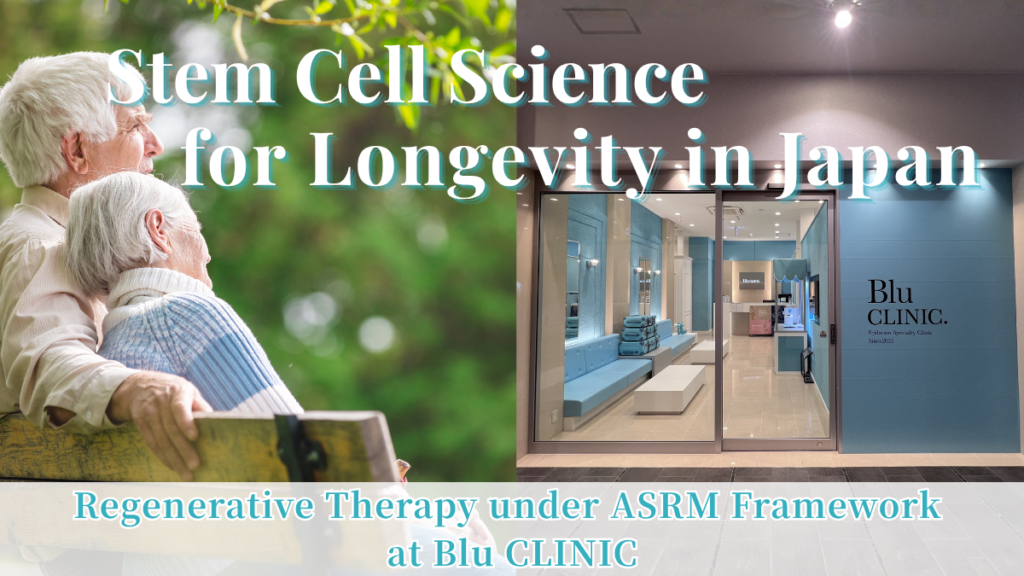
Stem cell anti aging science in Japan focuses on the use of autologous biological material to support long-term cellular maintenance, rather than promising an unrealistic overnight reversal of chronological age. Cellular medicine addresses biological degradation by introducing native cells that regulate chronic inflammation and encourage tissue restoration. At Blu CLINIC (Osaka & Ginza, Tokyo), under Dr. Saori Shimada’s clinical philosophy, we provide MHLW-notified stem cell protocols designed for objective biological wellness. This guide outlines the mechanisms, legal standards, and realistic expectations of cell-based care in Japan.
Stem Cell Anti Aging :Biological Mechanisms and Scientific Expectations
In modern regenerative medicine, the term “stem cell anti aging” refers not to a miraculous cure that halts chronological time, but to targeted therapeutic strategies that support cellular maintenance and tissue repair as the body ages. As biological systems undergo cellular senescence—a state where cells lose their ability to divide and function efficiently—autologous Mesenchymal Stem Cells (MSCs) and fibroblasts offer a biological means to modulate localized inflammation and encourage intrinsic tissue restoration.
The scientific basis for stem cell anti aging applications relies primarily on paracrine signaling rather than direct cellular replacement. Once reintroduced into the body via IV drip, MSCs actively secrete anti-inflammatory cytokines, growth factors, and extracellular vesicles. This paracrine activity helps regulate systemic cellular communication, lower chronic low-grade inflammation (often termed “inflammaging”), and support the body’s natural regenerative environment. Similarly, post-auricular fibroblast transplantation directly addresses dermal structural decline by stimulating native collagen production.
At Blu CLINIC, we emphasize that stem cell therapies are designed to support long-term cellular wellness rather than reverse biological age. All protocols utilize exclusively autologous cells—harvested from the client’s own abdominal fat or post-auricular skin—and are conducted under Class II Regenerative Medicine notifications filed with Japan’s Ministry of Health, Labour and Welfare (MHLW). This approach ensures that clients seeking cellular wellness receive transparent, evidence-based care within a strictly regulated legal framework.
Understanding Autologous Stem Cell and Fibroblast Mechanisms
Your own biology. Recalibrated.
Cell therapy utilizes native tissues to support the body’s inherent maintenance systems. Adipose-derived Mesenchymal Stem Cells (MSCs) are collected from a small amount of the client’s abdominal fat. When administered intravenously, these cells enter the bloodstream and are subsequently distributed to organs throughout the body.
Fibroblast therapy operates on a highly localized principle. Tissue is carefully extracted from behind the client’s ear. This specific skin is less exposed to daily ultraviolet damage. Once cultivated, these fibroblasts are intended to be reintroduced into targeted dermal layers where structural support has naturally diminished over time.
The Regulatory Landscape of Regenerative Medicine in Japan
Strict oversight. Clear boundaries.
Japan regulates cell therapies through specialized legal frameworks designed to monitor safety and clinical validity. Facilities providing these treatments must operate under the Act on the Safety of Regenerative Medicine (ASRM). This requires rigorous documentation, ethical committee reviews, and formal reporting to health authorities.
The MHLW Notification System and Provision Plans
Transparency by design.
It is crucial to clarify that filing a provision plan does not equate to a universal “approval” or guarantee of efficacy by the government. Rather, it signifies that the clinic has legally notified the Ministry of Health, Labour and Welfare (MHLW) of its intent to provide specific treatments under strict safety standards as Class II Regenerative Medicine.
(Provision Plan Numbers)
● Osaka Clinic: No. PB5260003 (Systemic/Pain) & No. PB5260002 (Fibroblast)
● Ginza Clinic: No. PB3260095 (Systemic/Pain) & No. PB3260093 (Fibroblast)
All cellular expansion occurs strictly within an affiliated domestic Cell Processing Center (CPC), ensuring high-level quality control.
Transparent Treatment Frameworks and Fee Structures
Clarity in investment.
Medical decisions should be made with absolute financial transparency. All therapies are private-pay and not covered by public health insurance.
| Therapy Type | Focus Area | Plan (Cell Count) | Standard Cost (Tax Included) |
| Fibroblast | Full Face | Light 80million | ¥1,650,000 |
| Standard 120million | ¥2,420,000 | ||
| Premium 160million | ¥2,970,000 | ||
| Full Face + Neck | Light 120million | ¥2,420,000 | |
| Standard 180million | ¥3,630,000 | ||
| Premium 240million | ¥4,840,000 | ||
| MSC | Systemic / General | Light 100million × 3sessions | ¥6,050,000 |
| Standard 150million × 3sessions | ¥7,920,000 | ||
| Premium 200million × 3sessions | ¥9,900,000 |
Additional administration (MSC Therapy): ¥1,650,000 (tax included) per session
The Clinical Progression from Consultation to Administration
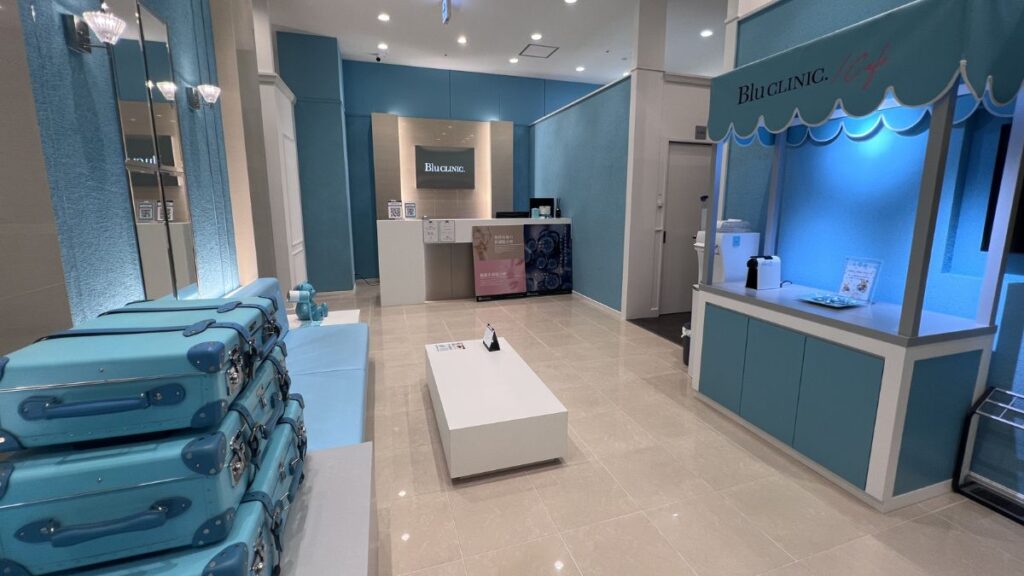
Structured care. Every step is carefully managed.
Required preliminary blood testing is conducted directly at Blu CLINIC upon your arrival in Japan, fully integrated into your treatment package. For seamless clinical communication, professional medical interpretation is also included at no extra cost. Blu CLINIC is located just a 3-minute walk from Umeda Station, and complimentary private transfer from Kansai International Airport (KIX) is provided to ensure privacy and comfort upon arrival.
Evaluating Clinical Risks and Post-Treatment Care
Physiology is unpredictable. Risks exist.
Any medical procedure involving extraction and injection carries inherent physical risks. Clients may expect pain, swelling, redness, and bruising at both the collection and administration sites. MSC IV drips may induce transient fever or, in rare cases, allergic reactions. Fibroblast injections can cause temporary skin unevenness. We discuss these factors extensively during the initial consultation to ensure informed consent.
Addressing Common Inquiries Regarding Cellular Therapy
Science cannot halt the biological clock. MSC and fibroblast therapies are intended to support the body’s native cellular environment and structural integrity. They may help support overall cellular wellness, but they are not a cure for aging itself.
Costs at Blu CLINIC strictly depend on the chosen protocol. MSC therapy ranges from ¥6,050,000 to ¥9,900,000 per course. Fibroblast treatments for the full face start at ¥1,650,000.
Beyond the financial investment and the multi-week waiting period required for cell culturing, clients face physical downtimes. Swelling, injection site pain, and bruising must be factored into your schedule.
Many nations restrict these treatments due to the complexities of cell manipulation and the need to prevent unverified medical claims. Japan established the ASRM framework to bring these therapies into a regulated, monitored environment, prioritizing client safety and facility accountability.
This is a deeply personal medical decision. It requires a clear understanding that cellular therapy is a scientific process requiring time, not an immediate cosmetic fix.
Bespoke Support and Dedicated Coordination

Discreet. Professional. Accessible.
If you require precise clinical information or wish to discuss your medical background with our coordination team, we are available to assist you.
Autologous Adipose-Derived Stem Cell Therapy (MSC Therapy)
[Treatment Details] A treatment where stem cells derived from a small amount of adipose tissue and blood collected from the patient’s abdomen are cultured at an affiliated domestic cell processing facility (CPC), then administered via IV drip or injection.
[Standard Treatment Period & Sessions] Cell culturing takes approximately 3–4 weeks, and administration consists of 3 sessions in total per course.
[Standard Cost] ¥6,050,000 – ¥9,900,000 per course (Tax included) / Private-pay (Not covered by public health insurance). (*Additional administration: ¥1,650,000 per session.)
*Note: Counseling is free of charge, and required preliminary blood testing upon arrival as well as medical interpreter services are included in the treatment package at no extra cost.
[Risks & Side Effects] Pain, swelling, redness, and bruising at the collection or injection sites, transient fever, allergic reactions, and in rare cases, infection or breathing difficulties.
[Notes on Unapproved Products]
(i) This treatment uses regenerative medicine products that have not received approval under Japan’s Pharmaceuticals and Medical Devices (PMD) Act.
(ii) The cells used in this treatment are cultured and processed at an affiliated domestic cell processing facility (CPC) under the physician’s medical judgment, in accordance with Japan’s Act on the Safety of Regenerative Medicine. No personal importation of drugs is involved.
(iii) There are no other domestically approved drugs or medical devices with the same composition or performance.
(iv) Information regarding safety in foreign countries: This treatment has not been widely approved in major Western countries. There is a possibility that severe risks or side effects have not yet been fully identified.
(v) In the unlikely event of a severe side effect, this treatment is not covered by Japan’s Relief System for Sufferers from Adverse Drug Reactions or the Relief System for Infections from Biological Products.
Fibroblast Therapy
[Treatment Details] A treatment where fibroblasts extracted from skin tissue collected from behind the patient’s ear are cultured at a specialized cell processing facility (CPC), then transplanted directly into the dermal layer of areas where wrinkles and sagging are a concern.
[Standard Treatment Period & Sessions] Cell culturing takes approximately 3–5 weeks, and administration consists of 2 to 4 sessions in total, typically every 2 weeks.
[Standard Cost] ¥1,650,000 – ¥4,840,000 per course (Tax included) / Private-pay (Not covered by public health insurance).
*Note: Counseling is free of charge, and required preliminary blood testing upon arrival as well as medical interpreter services are included in the treatment package at no extra cost.
[Risks & Side Effects] Pain, swelling, redness, and bruising at the collection or injection sites, temporary unevenness, and in rare cases, infection.
[Notes on Unapproved Products]
(i) This treatment uses regenerative medicine products that have not received approval under Japan’s Pharmaceuticals and Medical Devices (PMD) Act.
(ii) The cells used in this treatment are cultured and processed at an affiliated domestic cell processing facility (CPC) under the physician’s medical judgment, in accordance with Japan’s Act on the Safety of Regenerative Medicine. No personal importation of drugs is involved.
(iii) There are no other domestically approved drugs or medical devices with the same composition or performance.
(iv) Information regarding safety in foreign countries: This treatment has not been widely approved in major Western countries. There is a possibility that severe risks or side effects have not yet been fully identified.
(v) In the unlikely event of a severe side effect, this treatment is not covered by Japan’s Relief System for Sufferers from Adverse Drug Reactions or the Relief System for Infections from Biological Products.
For more details on costs and treatment options,
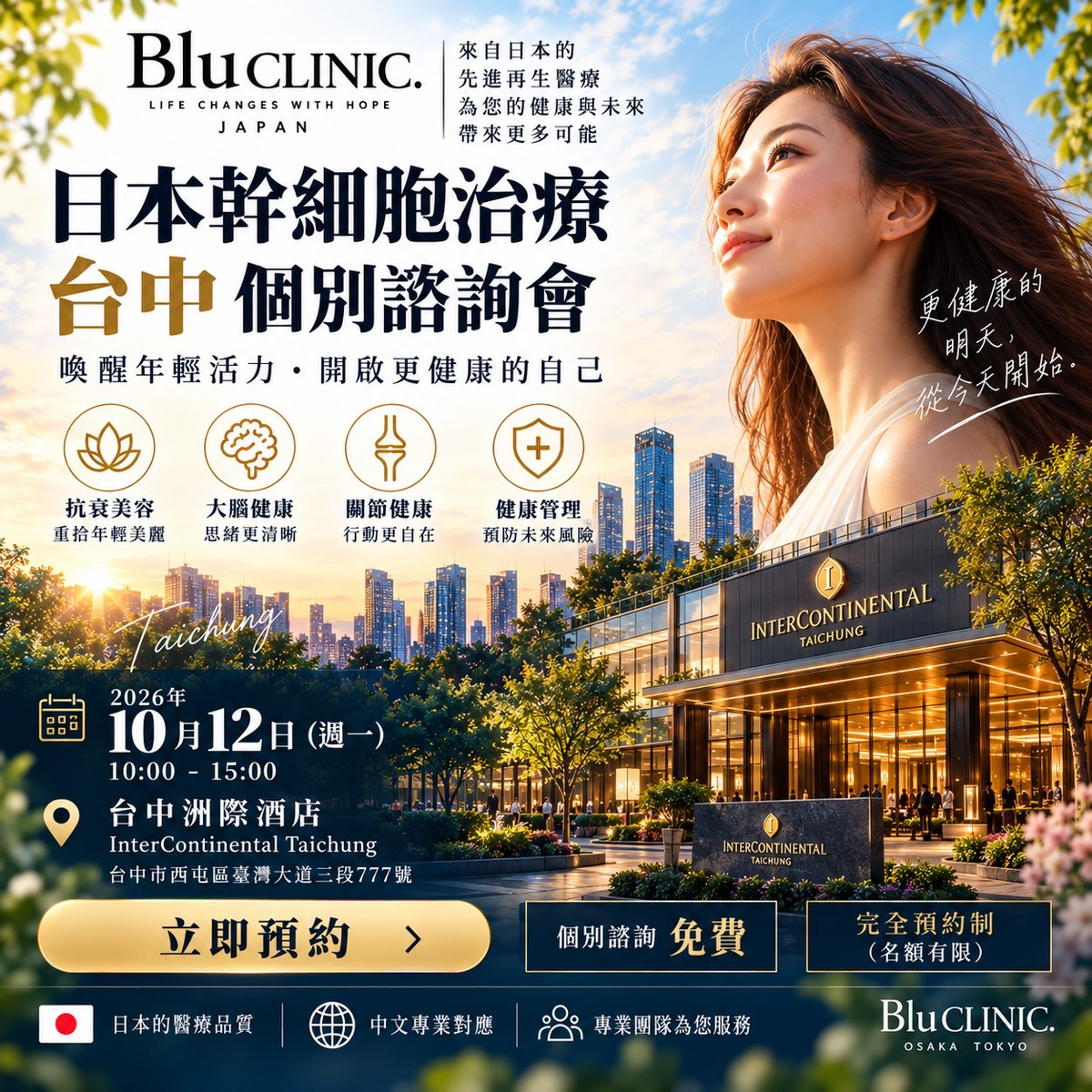
please join our local information session.