Blog Topics
How Is Stem Cell Treatment Done? A Clinical Guide to Procedures, Safety, and Care in Japan

How Is Stem Cell Treatment Done? This article introduces the treatment procedures and safety considerations involved in autologous stem cell therapy in Japan. Clients traveling to our clinics in Osaka or Tokyo for cell therapy often ask what exactly happens behind the clinical doors.Here, we take a closer look at the process using autologous adipose-derived mesenchymal stem cell (MSC) therapy at Blu CLINIC as an example.
Understanding Autologous Adipose-Derived Stem Cell (MSC) Therapy
The core of autologous therapy lies in utilizing the client’s own biological material. At Blu CLINIC, we focus on Mesenchymal Stem Cells (MSCs) extracted from a small volume of the client’s abdominal adipose tissue. These cells possess biological properties that support tissue repair mechanisms.
Strict protocols. Clinical integrity.
The mechanism is straightforward yet biologically complex. Once introduced back into the body, MSCs interact with the surrounding microenvironment. We do not promise instantaneous transformations. We rely on the established properties of these cells to support ongoing cellular function over time.
Clinical Eligibility and Mandatory Pre-Treatment Screening
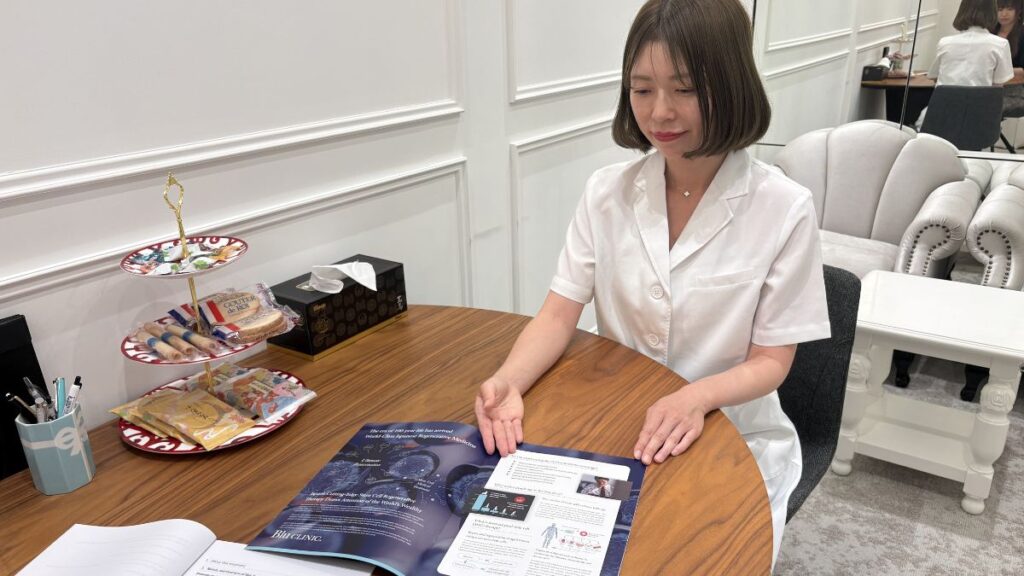
Before any tissue collection occurs, rigorous biological screening is non-negotiable. Required preliminary blood testing is conducted directly on-site at Blu CLINIC upon your arrival in Japan, fully integrated into your treatment package to evaluate baseline health markers and confirm clinical eligibility before procedure execution.
We assess infectious disease panels, overall systemic function, and specific contraindications. Should the blood work indicate potential risks, the procedure will not proceed. Safety supersedes scheduling.
Step-by-Step Procedure for Tissue and Blood Collection
Once eligibility is confirmed, the physical procedure begins in our private treatment rooms. A localized extraction takes place. For MSC therapy, a physician harvests a minimal amount of adipose tissue from the abdomen. For fibroblast treatments targeting localized skin concerns, a minute skin sample is taken from discreetly behind the ear.
Clients typically experience localized soreness, mild swelling, or bruising at the collection sites. These are expected physiological responses to tissue extraction, not anomalies.
Precision Culturing Under Japan’s Act on the Safety of Regenerative Medicine
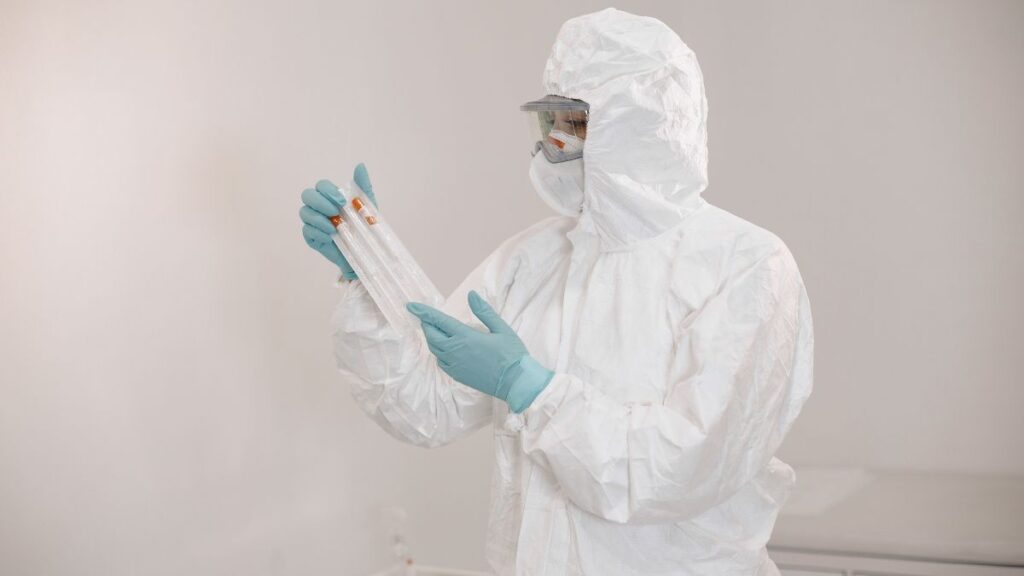
The harvested cells never remain in the clinic. They are immediately transported to an affiliated, highly specialized domestic cell processing facility (CPC).
Japan maintains one of the most stringent regulatory environments for regenerative medicine globally. Blu CLINIC operates strictly within these legal boundaries. Our cell therapy protocols are formally notified to and filed with the Ministry of Health, Labour and Welfare (MHLW) under the Act on the Safety of Regenerative Medicine (ASRM).
| Therapy Category | Target Area | MHLW Notification |
| Fibroblast Therapy | Skin | Osaka Clinic: PB5260002 / Ginza Clinic: PB3260093 |
| MSC Therapy | Systemic / Pain | Osaka Clinic: PB5260003 / Ginza Clinic: PB3260095 |
Inside the CPC, technicians cultivate the cells over a period of 3 to 5 weeks. The environment is meticulously controlled for temperature, sterility, and cellular vitality. We monitor the proliferation rate to ensure the final cellular product meets our clinical standards before it is cleared for administration.
Administration Protocols: IV Infusion and Direct Targeted Delivery
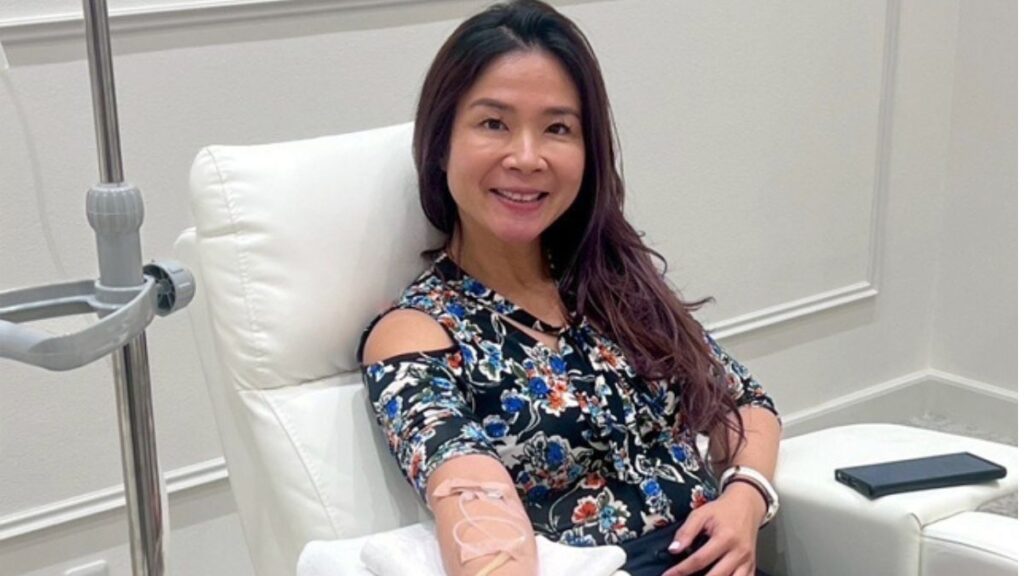
The method of administration depends entirely on the clinical objective. Cultured MSCs are generally administered via intravenous (IV) infusion to allow systemic circulation throughout the body.
| MSC Treatment Plan(Cell Count) | Cell Volume / Scope | Standard Cost (Tax Included) |
| Light 100million × 3sessions | Baseline systemic administration | ¥6,050,000 |
| Standard 150million × 3sessions | Advanced systemic administration | ¥7,920,000 |
| Premium 200million × 3sessions | Comprehensive systemic administration | ¥9,900,000 |
Additional MSC administration is available at ¥1,650,000 per session.
Post-Care Guidelines, Downtime, and Daily Activity Restrictions
After the cells are administered, the body requires time to process the biological input. There is no such thing as a medical procedure without downtime.
Clients are advised to avoid vigorous physical activity, intense exercise, and prolonged exposure to high heat (such as saunas) immediately following the treatment. Localized redness, bruising, and swelling at the injection sites are common. Some clients report a transient fever or mild fatigue within the first 48 hours as the body responds to the infusion.
We provide detailed postoperative instructions. Adhering to these guidelines is vital for minimizing complications and supporting the body’s natural recovery process.
Managing Expectations: Safety Profile, Side Effects, and Longevity
At Blu CLINIC, we believe that cell-level care is the foundation of personal well-being. Under Dr. Saori Shimada’s clinical approach, we prioritize transparency over comforting illusions.
Regenerative medicine is not an absolute cure. The longevity of the effects varies significantly depending on individual genetics, lifestyle factors, and baseline health. While severe adverse events like infections or breathing difficulties are rare, they remain documented medical possibilities. We prepare for every scenario. Our clinical framework is built on risk mitigation, utilizing autologous materials to significantly lower the probability of severe rejection reactions.
Investment Overview and Full Concierge Support for International Clients
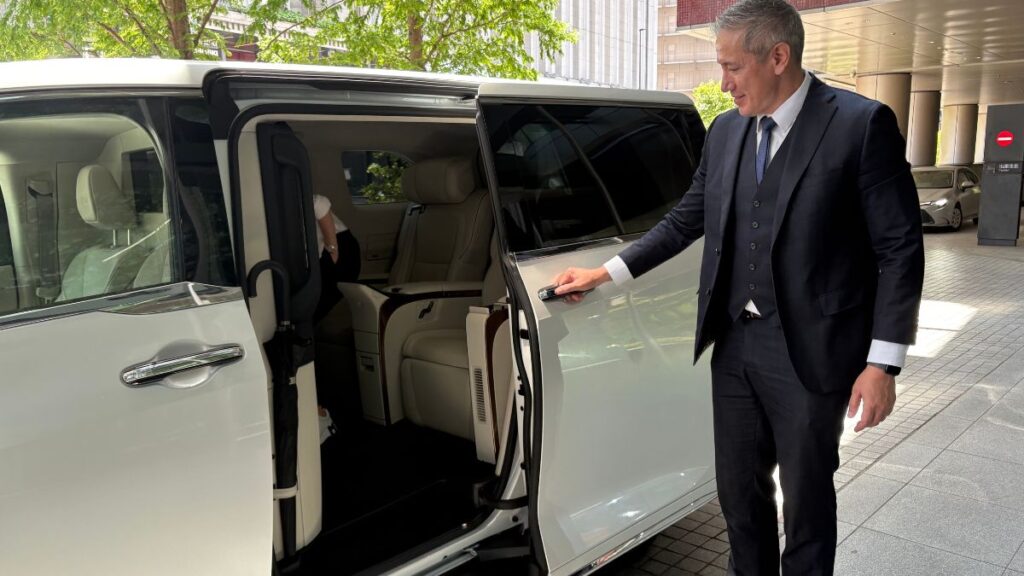
Navigating medical care in a foreign country requires absolute clarity. We coordinate the logistics so our clients can focus entirely on their treatment.
With private clinics conveniently located in both Osaka (a 3-minute walk from Osaka-Umeda Station) and Tokyo (walking distance from Higashi-Ginza / Ginza Stations), we offer complimentary private transportation from Kansai International Airport (KIX) to ensure seamless logistics. For non-Japanese speakers, professional medical interpretation is fully integrated into the treatment package at no extra cost, ensuring no nuance is lost during medical consultations.
| Concierge Service | Details |
| Airport Transfer | Complimentary from KIX |
| Location | Osaka-Umeda & Ginza, Tokyo |
| Medical Interpreter | Included at no extra cost |
| Pre-arrival Support | Document review and consultation scheduling |
Frequently Asked Questions About Stem Cell Procedures
The clinical process is divided into three distinct phases: medical screening and tissue collection (day one), cellular cultivation at a specialized CPC (3 to 5 weeks), and finally, the administration via IV drip or targeted injection.
Discomfort is subjective but expected. Local anesthesia is administered during the abdominal fat or posterior ear skin collection to manage acute pain. Post-procedure, clients typically experience dull aching, swelling, and minor bruising that resolves gradually.
It is recommended to avoid strenuous exercise, heavy lifting, and activities that significantly elevate core body temperature . It is advisable to rest as much as possible.
Cellular therapy works with the body’s natural biological timelines. Changes occur gradually over months, and the duration of any potential benefits depends heavily on the client’s individual biological response and lifestyle maintenance. It is not permanent.
No. All regenerative therapies provided at Blu CLINIC are entirely private-pay. They are not covered by Japanese public health insurance or standard international health insurance policies.
Medical Consultations and Personalized Guidance at Blu CLINIC
True medical care begins with a realistic conversation. If you are considering autologous cell therapy and wish to understand how our protocols align with your biological profile, our medical team is available for preliminary discussions.
Autologous Adipose-Derived Stem Cell Therapy (MSC Therapy)
[Treatment Details] A treatment where stem cells derived from a small amount of adipose tissue and blood collected from the patient’s abdomen are cultured at an affiliated domestic cell processing facility (CPC), then administered via IV drip or injection.
[Standard Treatment Period & Sessions] Cell culturing takes approximately 3–4 weeks, and administration consists of 3 sessions in total per course.
[Standard Cost] ¥6,050,000 – ¥9,900,000 per course (Tax included) / Private-pay (Not covered by public health insurance). (*Additional administration: ¥1,650,000 per session.)
*Note: Counseling is free of charge, and required preliminary blood testing upon arrival as well as medical interpreter services are included in the treatment package at no extra cost.
[Risks & Side Effects] Pain, swelling, redness, and bruising at the collection or injection sites, transient fever, allergic reactions, and in rare cases, infection or breathing difficulties.
[Notes on Unapproved Products]
(i) This treatment uses regenerative medicine products that have not received approval under Japan’s Pharmaceuticals and Medical Devices (PMD) Act.
(ii) The cells used in this treatment are cultured and processed at an affiliated domestic cell processing facility (CPC) under the physician’s medical judgment, in accordance with Japan’s Act on the Safety of Regenerative Medicine. No personal importation of drugs is involved.
(iii) There are no other domestically approved drugs or medical devices with the same composition or performance.
(iv) Information regarding safety in foreign countries: This treatment has not been widely approved in major Western countries. There is a possibility that severe risks or side effects have not yet been fully identified.
(v) In the unlikely event of a severe side effect, this treatment is not covered by Japan’s Relief System for Sufferers from Adverse Drug Reactions or the Relief System for Infections from Biological Products.
Fibroblast Therapy
[Treatment Details] A treatment where fibroblasts extracted from skin tissue collected from behind the patient’s ear are cultured at a specialized cell processing facility (CPC), then transplanted directly into the dermal layer of areas where wrinkles and sagging are a concern.
[Standard Treatment Period & Sessions] Cell culturing takes approximately 3–5 weeks, and administration consists of 2 to 4 sessions in total, typically every 2 weeks.
[Standard Cost] ¥1,650,000 – ¥4,840,000 per course (Tax included) / Private-pay (Not covered by public health insurance).
*Note: Counseling is free of charge, and required preliminary blood testing upon arrival as well as medical interpreter services are included in the treatment package at no extra cost.
[Risks & Side Effects] Pain, swelling, redness, and bruising at the collection or injection sites, temporary unevenness, and in rare cases, infection.
[Notes on Unapproved Products]
(i) This treatment uses regenerative medicine products that have not received approval under Japan’s Pharmaceuticals and Medical Devices (PMD) Act.
(ii) The cells used in this treatment are cultured and processed at an affiliated domestic cell processing facility (CPC) under the physician’s medical judgment, in accordance with Japan’s Act on the Safety of Regenerative Medicine. No personal importation of drugs is involved.
(iii) There are no other domestically approved drugs or medical devices with the same composition or performance.
(iv) Information regarding safety in foreign countries: This treatment has not been widely approved in major Western countries. There is a possibility that severe risks or side effects have not yet been fully identified.
(v) In the unlikely event of a severe side effect, this treatment is not covered by Japan’s Relief System for Sufferers from Adverse Drug Reactions or the Relief System for Infections from Biological Products.
For more details on costs and treatment options,
please join our local information session.